Quy Nhơn: The Rising Star of Central Vietnam
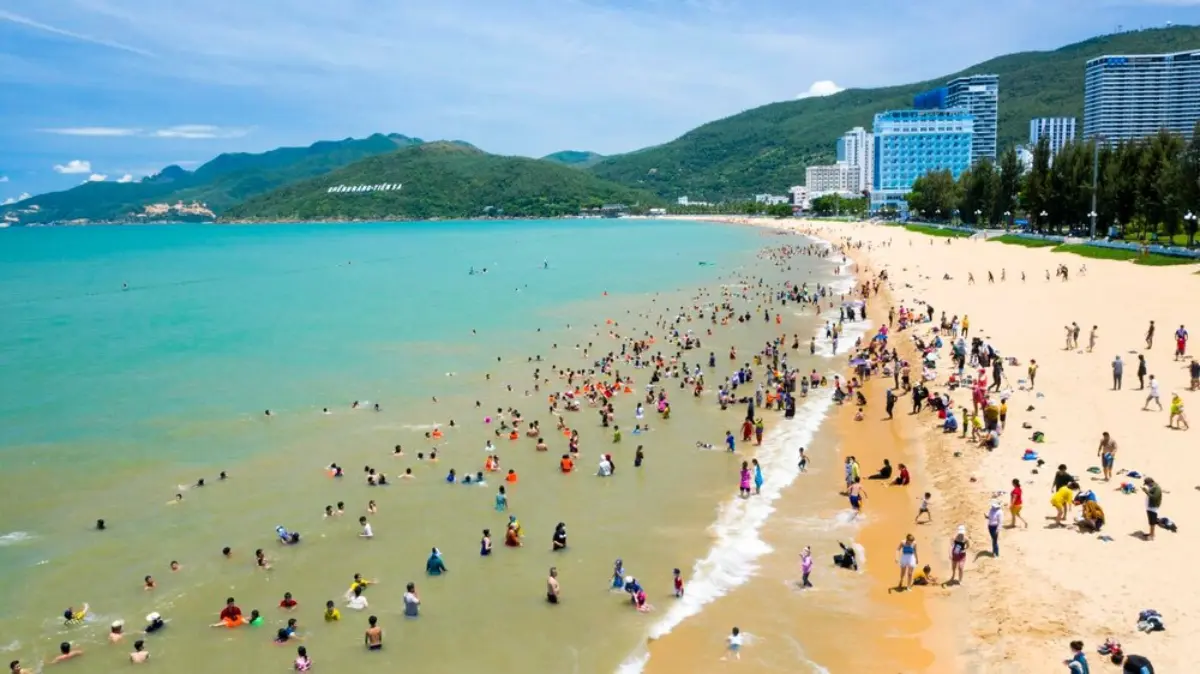
Beaches of Unspoiled Beauty
The Maldives of Vietnam
Kỳ Co Beach is the crown jewel — a crescent of white sand tucked between rocky headlands, accessible by boat or a winding road. The water here is astonishingly clear, ranging from pale jade to deep turquoise. It has earned comparisons to the Maldives, and while the development is still minimal, its beauty is undeniable. Bãi Xếp, closer to the city, has a more local feel — fishing boats pulled up on the sand, simple seafood restaurants, and a relaxed atmosphere that has made it a favorite for long‑term visitors. Bãi Trung and Bãi Dài offer long stretches of sand perfect for swimming and sunset walks. Unlike the crowded beaches of other coastal cities, Quy Nhơn’s shores invite quiet contemplation.
Eo Gió: Where the Wind Sings
A Natural Sculpture Garden
Just north of the city, Eo Gió (Windy Strait) is a stretch of coastline where the wind funnels between rocky cliffs, creating a constant, refreshing breeze. A wooden walkway follows the coast, offering views of fishing boats anchored in the bay and the islands of the Phương Mai Peninsula. The rock formations here are dramatic — shaped by wind and sea into natural sculptures. It is a place to walk, to watch the waves, and to feel the elemental force of the ocean. The name captures its essence: a place where the wind is always present, and the air is always cool.
Cham Towers: A Thousand Years of History
The Legacy of the Champa Kingdom
Quy Nhơn and its surroundings are home to some of Vietnam’s most significant Cham towers. In the city itself, Tháp Đôi (Twin Towers) stand on a low hill, their brickwork a testament to the skill of 11th‑century builders. A short drive west, Tháp Bánh Ít is a cluster of four towers set on a hill with panoramic views of the surrounding countryside — rice paddies and mountains stretching to the horizon. Further afield, Tháp Cánh Tiên and the site of the ancient capital of Vijaya offer deeper exploration into the kingdom that ruled this coast from the 11th to the 15th centuries. These towers are not mere ruins; they are active places of spiritual significance, and their setting against the coastal landscape is deeply evocative.
The City by the Sea
Seafood, Strolls & Local Life
Quy Nhơn is not a city that demands to be toured; it invites you to settle in. The sea front promenade stretches for kilometers, a wide, palm‑lined walkway where locals gather in the early morning for exercise and in the evening for the cool breeze. The Quy Nhơn Square and the Thị Nại Bridge, one of the longest cross‑sea bridges in Vietnam, are landmarks of modern development, but the city’s heart remains its connection to the sea. The fishing harbor near the city center is a hive of activity in the early morning, and the night market along the waterfront offers the freshest seafood — choose your dinner from tanks of live lobster, crab, and squid, then have it grilled on the spot.
The Taste of Bình Định
Bánh Hỏi, Bún Chả Cá & Jellyfish Noodles
Bánh Hỏi Cháo Lòng: A signature of the region — delicate rice vermicelli woven into fine bundles, served with pork offal porridge and fresh herbs. It is a dish of texture and subtle flavor, best eaten at the small street stalls near the market.
Bún Chả Cá Quy Nhơn: Fish cake noodle soup, the city’s defining dish. The fish cakes are made from fresh mackerel, springy and flavorful, served in a clear broth with rice noodles and a generous pile of fresh herbs.
Gỏi Sứa (Jellyfish Salad): A specialty of the central coast — shredded jellyfish with lemongrass, chili, and herbs, served with shrimp chips. Light, refreshing, and uniquely local.
Bánh Xèo & Bánh Bèo: Central Vietnamese classics, but here with a distinct local character. The night market is the best place to sample these and the abundance of fresh seafood.
Quy Nhon Tour Packages
Coastal Discovery: A day exploring Kỳ Co Beach, Eo Gió, and the city’s seafood culture — with a beachside lunch.
Cham Heritage Tour: Visit Tháp Đôi, Tháp Bánh Ít, and the archaeological site of Vijaya, with insights into the Champa kingdom.
Island Escape: A boat trip to the islands of Phương Mai or to the fishing village of Hòn Khô.
Central Coast Journey: Combine Quy Nhơn with Quảng Ngãi (Mỹ Sơn), or with Đà Lạt and Nha Trang for a comprehensive exploration of the central region.
The Essence of Quy Nhơn — Quy Nhơn is a city that rewards those who arrive without expectations. It is not trying to be the next great beach destination; it is content to be what it has always been — a working port, a fishing community, a place where the rhythm of life is measured by the tides. The beaches are stunning, the food exceptional, the history profound. But what lingers is the feeling of having discovered a place that has not yet been transformed by the tourism machine. For now, Quy Nhơn remains a secret worth keeping — and a destination worth visiting.
Frequently Asked Questions
A minimum of 2 days allows you to visit the main beaches and Cham towers. For a more relaxed pace, including a boat trip to Kỳ Co and Eo Gió, 3–4 days is ideal.
The dry season (January–August) offers the best beach conditions. March–May is particularly pleasant, with calm seas and mild temperatures. September–December is the rainy season.
By air to Phù Cát Airport (UIH) from Hanoi or Ho Chi Minh City (1–1.5 hours), by train to Quy Nhơn station, or by bus from other central cities. The airport is 30 km from the city center.
Kỳ Co is accessible by boat from the Nhơn Hội Peninsula or by road via a scenic coastal route. Many tours combine Kỳ Co with Eo Gió in a single day.
Swimwear, light clothing, a hat, sunscreen, insect repellent, and sturdy sandals. A light jacket for cooler evenings.
Bún chả cá Quy Nhơn (fish cake noodle soup), bánh hỏi cháo lòng, and fresh seafood from the night market. Jellyfish salad (gỏi sứa) is a local specialty worth trying.