The Publications
That Recorded a City
and the closing of an era
When newspapers and magazines disappear, a city loses more than headlines. It loses one of the ways it remembers itself.
On June 30, 2026, eight long-standing publications in Ho Chi Minh City are scheduled to cease operations in their current form, according to the announced restructuring plan. These institutions, which have documented the city’s life for decades, will publish their final editions, leaving behind archives that now stand as historical artifacts rather than living publications.
For many residents, these were not merely media brands but familiar companions: the newspaper read over morning coffee, the magazine that offered advice to young families, the business weekly that tracked the city’s economic pulse. Their closure represents the end of a particular kind of connection between a city and its readers—one that cannot be replicated through screens.
Saigon and the Tradition of Urban Journalism
To understand why these publications mattered, one must first appreciate Saigon’s historical role as a publishing centre. Long before the digital age, Saigon was a crucible of journalistic activity, a place where newspapers were not merely sources of information but instruments of social and political change.
The birth of Vietnamese political journalism in Saigon dates back to the early twentieth century. The city, as the colonial capital of French Indochina, became a laboratory for new forms of public expression. What contemporaries called the “newspaper village”—the community of journalists, printers, and readers that clustered around publications—created an unprecedented public sphere in which all manner of issues could be debated.
Khoa học Phổ thông (Popular Science), one of the eight publications now closing, has an exceptionally long lineage. It was first established in the 1930s as a scientific magazine in colonial Saigon, founded by chemical engineer Lâm Văn Vãng. The publication carried a poetic motto on its pages: “Khoa học vững trơ cầm đuốc rọi” — “Science stands firm, holding the torch alight.” It survived colonial disruption, wartime interruption, and returned in 1976 as a journal, later becoming a newspaper in 1980, and finally a magazine in 2022. Now, this torch will be extinguished.
The Eight Publications
— a final chronicle
Under a city-wide media restructuring plan, Ho Chi Minh City will retain only three media organizations: the Sài Gòn Giải Phóng newspaper, the Tuổi Trẻ online newspaper, and the Ho Chi Minh City Radio and Television Station. The following eight publications will be dissolved entirely, with their final editions published by June 30, 2026, and operations officially concluded by August 31, 2026. A total of 553 staff members will be affected.
For decades, this newspaper gave voice to the concerns of workers, civil servants, and ordinary citizens navigating the complexities of urban life in Ho Chi Minh City. Its coverage of labour rights, social welfare, and community issues made it essential reading for those seeking to understand the human dimensions of the city’s rapid development. It documented the industrialization of Saigon and the changing nature of work in modern Vietnam, tracking the rise of the working class and the social transformations that accompanied economic growth.
As Vietnam opened to the world and tourism became a major economic driver, this magazine played a vital role in promoting the city’s attractions to both domestic and international visitors. It documented the evolution of Saigon’s hospitality industry, from street food culture to luxury hotels, and helped shape the city’s image as a dynamic tourist destination. It was instrumental in introducing destinations like Hội An, Huế, and the Mekong Delta to a global audience, serving as a bridge between Vietnam’s heritage and the world.
First published on May 19, 1975, just weeks after the Fall of Saigon, under its original name Phụ Nữ Sài Gòn. It was the first newspaper in Saigon to produce supplementary publications. As the official voice of the Ho Chi Minh City Women’s Union, it chronicled the changing roles of Vietnamese women through decades of social transformation. Its beloved columns—Nhỏ to tâm sự, Nếp nhà, and Tư vấn gia chánh—made it a trusted companion for generations of women readers.
This publication served as a guide to the legal and regulatory landscape, helping citizens and businesses understand their rights and obligations in a rapidly evolving legal system. Its reporting on policy, civic matters, and legal affairs made it an important resource for lawyers, business owners, and ordinary citizens alike, documenting the development of Vietnam’s legal framework and the growth of civic society.
For educators, students, and families, this magazine provided insights into educational policy, teaching methods, and the challenges facing Vietnam’s schools. Its coverage reflected the changing priorities of a society placing increasing emphasis on education as a path to opportunity, chronicling education reform, the modernization of curricula, and the aspirations of Vietnamese families.
Focusing on entrepreneurship and commerce, this publication chronicled the rise of modern Vietnamese enterprise. Its profiles of business leaders, coverage of market trends, and analysis of business policy captured the spirit of a city that has long been Vietnam’s commercial heart, documenting the emergence of Vietnamese brands and the entrepreneurial spirit of Saigon.
Founded on January 4, 1991, Kinh tế Sài Gòn was a product of the Đổi Mới era, established to document and analyse Vietnam’s transition to a market-oriented economy. Under the ownership of the Ho Chi Minh City People’s Committee, the publication provided in-depth coverage of commerce, investment, and economic policy. It was not merely a chronicler of economic change but also an active participant in the city’s development.
The oldest of the eight, with roots stretching back to the 1930s. It bridged the gap between scientific research and public understanding, covering topics from technology and health to environmental science. Its motto—“Khoa học vững trơ cầm đuốc rọi” (Science stands firm, holding the torch alight)—now takes on a poignant new meaning. The torch that was held alight through colonial rule, war, and decades of change will finally be set down.
The Publications and the City They Recorded
Each of these eight publications captured a different facet of Ho Chi Minh City’s evolution. Together, they form a mosaic of urban life that no single history could replicate.
Người Lao Động tracked the city’s industrialization and the lives of its working class. Phụ Nữ TP.HCM documented the transformation of family life and women’s roles. Pháp Luật TP.HCM recorded the development of legal institutions and civic society. Giáo Dục TP.HCM chronicled education reform and the aspirations of Vietnamese families. Du Lịch TP.HCM shaped and reflected the city’s emergence as a global tourist destination. Doanh Nhân Sài Gòn captured the entrepreneurial spirit that defines Saigon’s commercial identity. Kinh tế Sài Gòn analysed the market economy that transformed Vietnam. And Khoa học Phổ thông nurtured scientific literacy across generations.
This is the intellectual heart of the story: these publications did not merely report on the city—they helped shape it. They provided a forum for debate, a record of change, and a mirror in which the city could see itself.
How These Publications Helped Introduce Vietnam to the World
For readers of Indochine Chic, this is where the story connects directly to our core mission. Publications like Du Lịch TP.HCM and Kinh tế Sài Gòn played a crucial role in shaping Vietnam’s international image.
The tourism magazine documented the evolution of Vietnam’s hospitality industry, from the colonial-era hotels of Hanoi and Saigon to the luxury resorts of Hội An, Huế, and the Mekong Delta. It helped introduce destinations like Hội An’s lantern-lit streets, the Imperial Citadel of Huế, and the floating markets of the Mekong to a global audience. These publications were the bridge between Vietnam’s heritage and the world.
Kinh tế Sài Gòn similarly documented the rise of Vietnam as an economic destination, tracking the development of key industries, the emergence of Vietnamese brands, and the integration of Vietnam into the global economy. For business travellers and investors, this publication was an essential guide to understanding modern Vietnam.
These publications, along with their sister titles, formed part of a broader ecosystem of cultural promotion. They didn’t just report on tourism and business—they actively shaped the narrative of a nation opening to the world.
Why These Publications Mattered
Cities are remembered through institutions as much as through buildings. The publications that recorded a city’s daily life, its struggles and triumphs, its ordinary moments and extraordinary events, are essential to its memory.
Newspapers record everyday life, not just major events. The advertisements, interviews, and local reporting that filled the pages of these publications are now invaluable historical evidence. They capture the rhythms of daily existence—what people bought, what they worried about, what they celebrated. When researchers of the future seek to understand Ho Chi Minh City in the late twentieth and early twenty-first centuries, they will turn to these archives.
The End of an Era
The closure is part of a larger consolidation of media in Ho Chi Minh City. The city’s Party Committee issued Decision No. 863-QĐ/TU, approving a plan to restructure media organizations, reducing them from eleven to just three. The rationale includes streamlining operations and improving efficiency in an era of declining print readership and advertising revenue.
But for those who worked at these publications, and for their readers, the closure is deeply personal. The journalists who reported on labour issues, women’s concerns, legal affairs, education, tourism, business, economics, and science will lose their institutional homes. The readers who turned to these publications for information, guidance, and connection will lose a familiar companion.
What Remains
For those interested in Vietnamese history and culture, the archived issues of these publications remain valuable sources. Old magazines reveal how Vietnam presented itself to residents and visitors over time. They document changes in fashion, language, and lifestyle. They trace the evolution of tourism, business, education, and urban life.
Researchers can trace these changes through the pages of the publications that covered them. The advertisements, the opinion pieces, the photographs, and the advice columns all speak to a particular time and place. For those who study Vietnam’s development, these archives are an indispensable resource.
Conclusion: A City’s Memory Does Not End Here
The closure of these eight publications marks the end of institutions, not the end of the stories they recorded. Ho Chi Minh City continues to change, and future historians will rely on the archives, photographs, articles, and interviews left behind by these publications to understand how the city became what it is today.
There is a poignancy to this moment. The workers who read Người Lao Động will find their routines broken. The women who turned to Phụ Nữ TP.HCM for advice will need to find new sources of counsel. The business leaders who tracked economic trends in Kinh tế Sài Gòn will turn elsewhere. These are personal losses, part of the human dimension of a larger transformation.
But something irreplaceable has been lost. The particular character of each publication—its voice, its perspective, its connection to its readers—cannot be transferred to a new platform. The 553 staff members affected by the closures will carry their expertise elsewhere, but the institutions they built over decades will not continue.
Ho Chi Minh City will not forget these publications. Their names will be remembered, their archives will be preserved, and their contributions to the city’s story will be acknowledged. For travelers, historians, and residents alike, the story of Saigon’s—and Ho Chi Minh City’s—media heritage remains one of resilience, adaptation, and the enduring power of the written word, even as that word’s printed form fades into memory.
Sources & further reading
Quyết định 863-QĐ/TU, Hội đồng nhân dân TP.HCM (2026) ·
VOV coverage
Khoa học phổ thông archival collection, National Library of Vietnam ·
National Library archive
Lâm Văn Vãng, “Lời tựa,” Khoa học phổ thông, số 1, 1934
Sài Gòn Giải Phóng, “TP.HCM tinh gọn bộ máy báo chí,” June 2026 ·
Sài Gòn Giải Phóng
Phụ Nữ TP.HCM, 50-year anniversary retrospective (2025) ·
Phụ Nữ Online
Kinh tế Sài Gòn, “30 năm đồng hành cùng doanh nghiệp,” 2021 ·
The Saigon Times
Nguyễn Thị Hồng, “Báo chí và ký ức đô thị,” Nghiên cứu Văn hóa, 2024
Continue Your Heritage Journey
Explore the living legacy of Indochina through our curated editorial collection of heritage guides, hotels, and experiences.
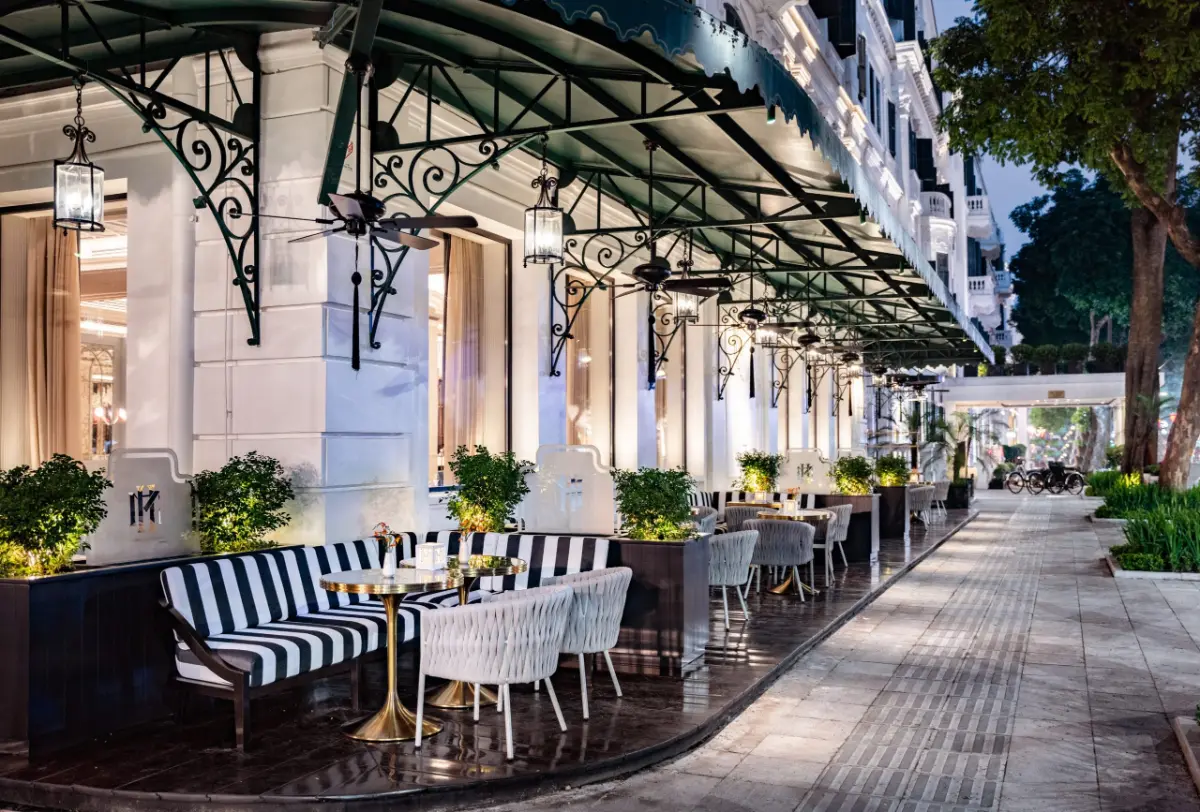
Heritage Hotels
Stay inside history within colonial mansions, converted royal residences, and boutique heritage gems across Indochina’s most beautiful cities.Explore Hotels →

French Colonial Architecture
Discover ochre walls, wrought iron balconies, louvered shutters, and timeless Indochine elegance preserved in Hanoi, Luang Prabang, and Saigon.Explore Buildings →

UNESCO Sites
Explore World Heritage treasures from Angkor Wat to Hoi An Ancient Town, Hue Citadel, and the temples of Luang Prabang. UNESCO Sites →
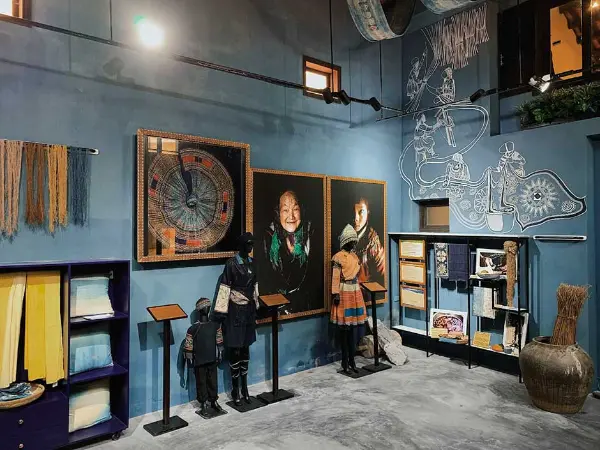
Museums
View royal treasures, colonial artifacts, war remnants, and ethnographic collections that tell the full story of Indochina’s rich history. Explore Museums →
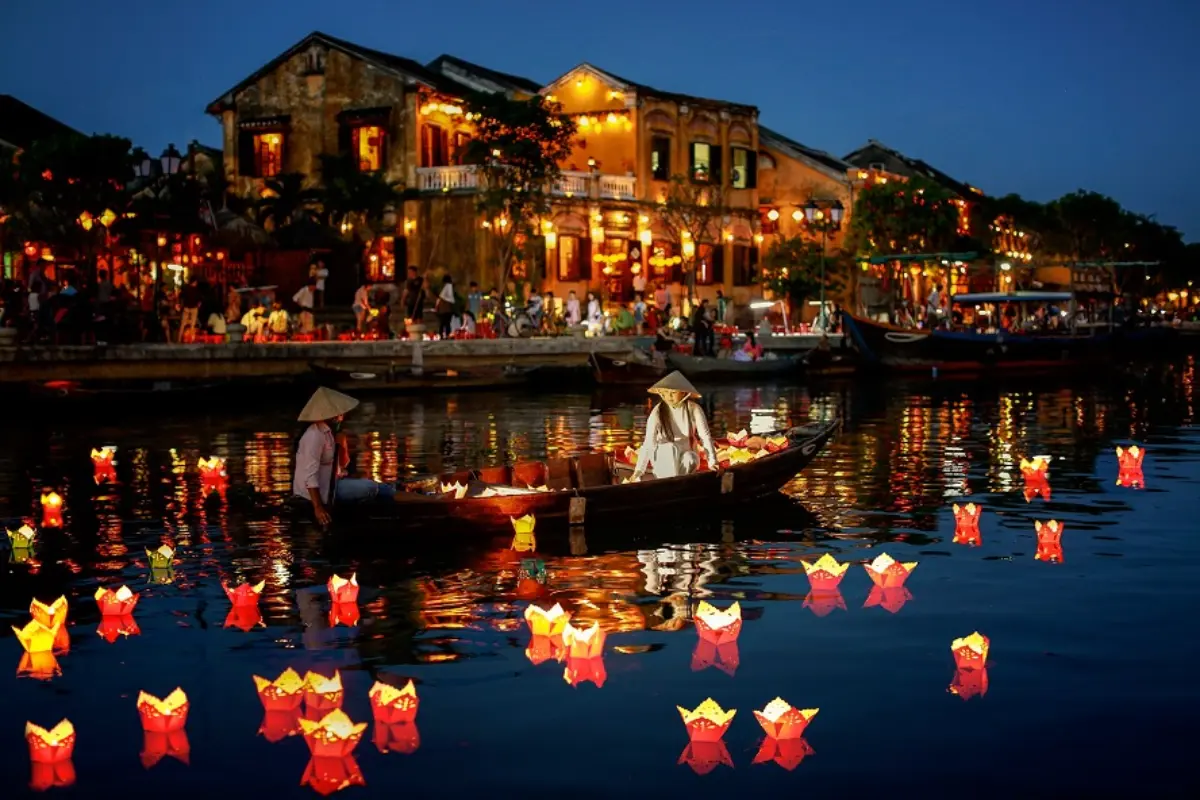
Traditional Cuisine
Savor imperial feasts, street food legacy, royal court recipes, and culinary traditions passed down through generations across Indochina. Taste Local Foods →
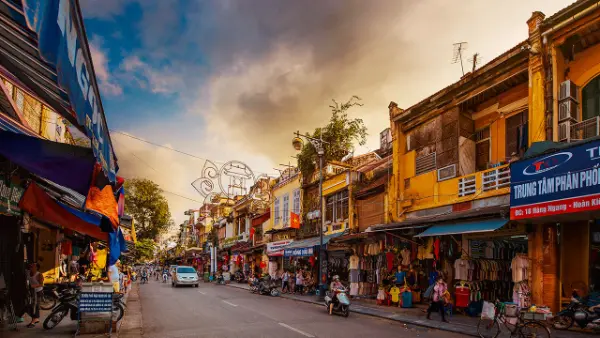
Walking Tours
Follow self-guided heritage walks through Hanoi’s Old Quarter, Hoi An’s lantern streets, and Luang Prabang’s temple-lined lanes.Explore Cities →
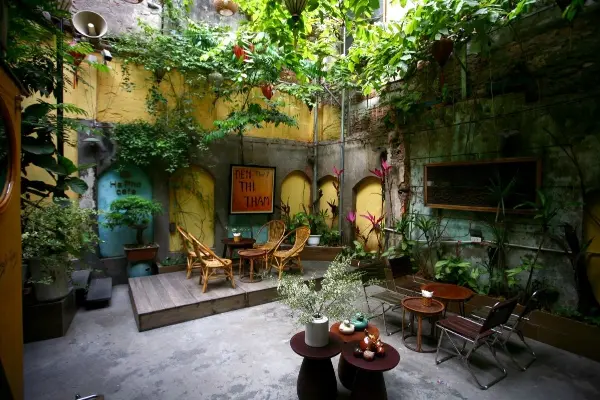
Historic Cafés
Enjoy egg coffee on colonial terraces, sip robusta where writers met, and discover timeless spots frozen in Indochine elegance.Explore Hidden Cafes →

Signature Journeys
Experience curated multi-day itineraries through the heritage cities of Indochina, designed for luxury travelers seeking authentic culture. Explore Journeys →
Continue Your Heritage Journey
Every heritage city opens the door to deeper discoveries…
────────────────────────
HERITAGE CITIES OF INDOCHINA · EDITORIAL COLLECTION
Explore the living anthology of centuries-old streets, royal citadels, and colonial elegance