Vietnam Named Asia’s Leading Heritage Destination 2026 | Asia Travel Mates
Vietnam · World Travel Awards 2026

Vietnam Named Asia’s Leading Heritage Destination 2026

Eight UNESCO World Heritage Sites. Two thousand years of layered civilizations. One country.

At the World Travel Awards 2026 ceremony at CROSSROADS Maldives, Vietnam was honoured as Asia’s Leading Heritage Destination — a recognition of the country’s extraordinary cultural depth.

Hoi An · Hue · My Son · Ha Long Bay · Phong Nha · Trang An

Vietnam has been honoured as Asia’s Leading Heritage Destination at the World Travel Awards 2026, reaffirming the country’s position as the continent’s premier destination for cultural and historical travel.

The award was announced at the gala ceremony held at CROSSROADS Maldives on September 27, 2026, alongside Vietnam’s sixth consecutive Asia’s Leading Destination title. Together, the two honours confirm what travelers have long known: Vietnam is not just a beautiful country — it is a living archive of human civilization, with cultural treasures spanning more than two thousand years.

From the imperial citadels of the Nguyen dynasty to the Hindu sanctuaries of the Champa kingdom, from ancient merchant towns to the underground cave systems of the Viet Cong, Vietnam’s heritage is as varied as its landscape. The country is home to eight UNESCO World Heritage Sites — five cultural, two natural, and one mixed — alongside a dozen intangible cultural heritage traditions recognised by UNESCO.
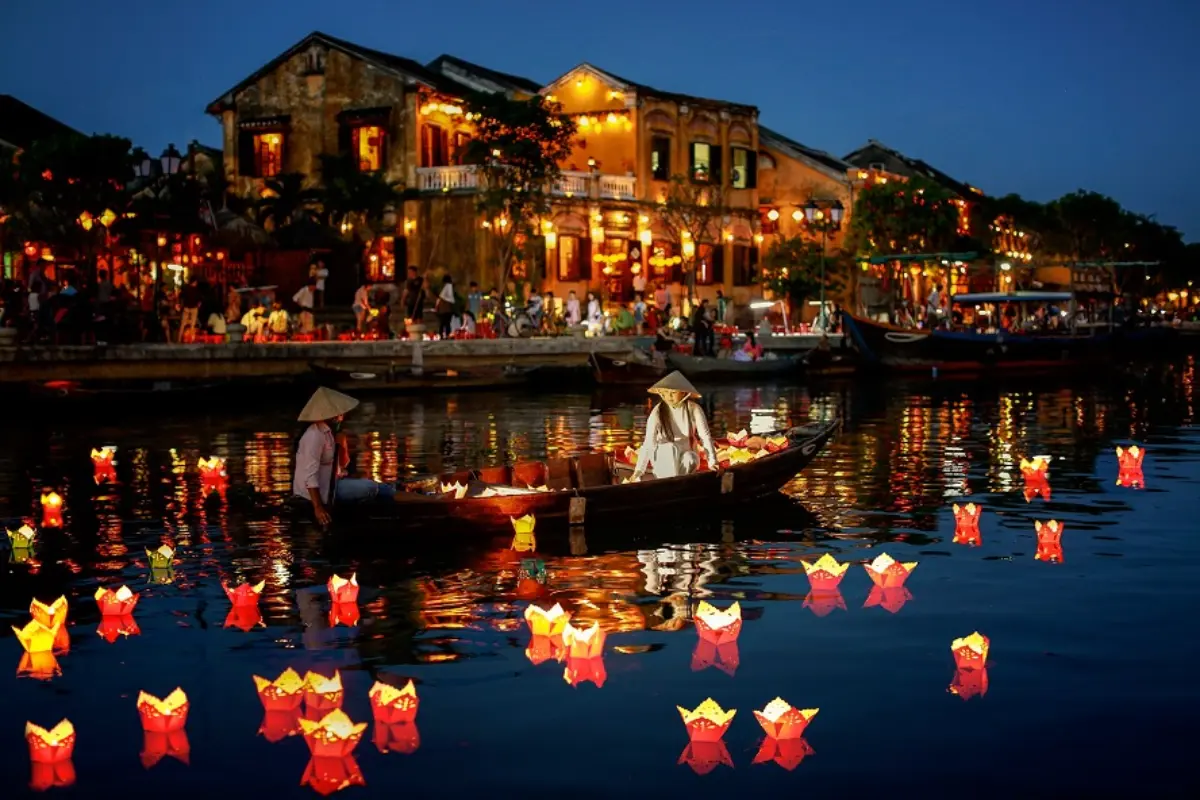
Hoi An Ancient Town at night — lanterns reflected on the Thu Bon River, Vietnam's most atmospheric UNESCO World Heritage Site
Hoi An Ancient Town at night — a UNESCO World Heritage Site, and one of Asia’s most atmospheric evening scenes.
Breaking News · September 27, 2026

Asia’s Leading Heritage Destination — Vietnam

Vietnam’s continental heritage honour reflects both its extraordinary diversity and the depth of its cultural preservation.

Vietnam’s 2026 World Travel Awards

  • Asia’s Leading Heritage Destination 2026
  • Asia’s Leading Destination 2026 — 6th consecutive year

The World Travel Awards, established in 1993, are widely regarded as the most prestigious recognition programme in the global travel industry. Winners are determined through online voting by tourism professionals and travelers worldwide. The 2026 Asia, Oceania & Indian Ocean ceremony was held at CROSSROADS Maldives.

Why Vietnam’s Heritage Stands Out

Vietnam is one of the few countries in Asia where four major civilizations — Cham, Khmer, Vietnamese, and French — layered their influence over two millennia. The result is a heritage landscape unlike any other in the region.

Beyond Monuments

Vietnam’s heritage includes not only its monuments but its living traditions — court music, folk duets, water puppetry, craft villages, and a cuisine celebrated around the world.

The Eight Sites

Vietnam’s UNESCO World Heritage Sites

Vietnam’s UNESCO sites reflect the country’s extraordinary layering of cultures across two millennia.

Vietnam’s Eight UNESCO World Heritage Sites

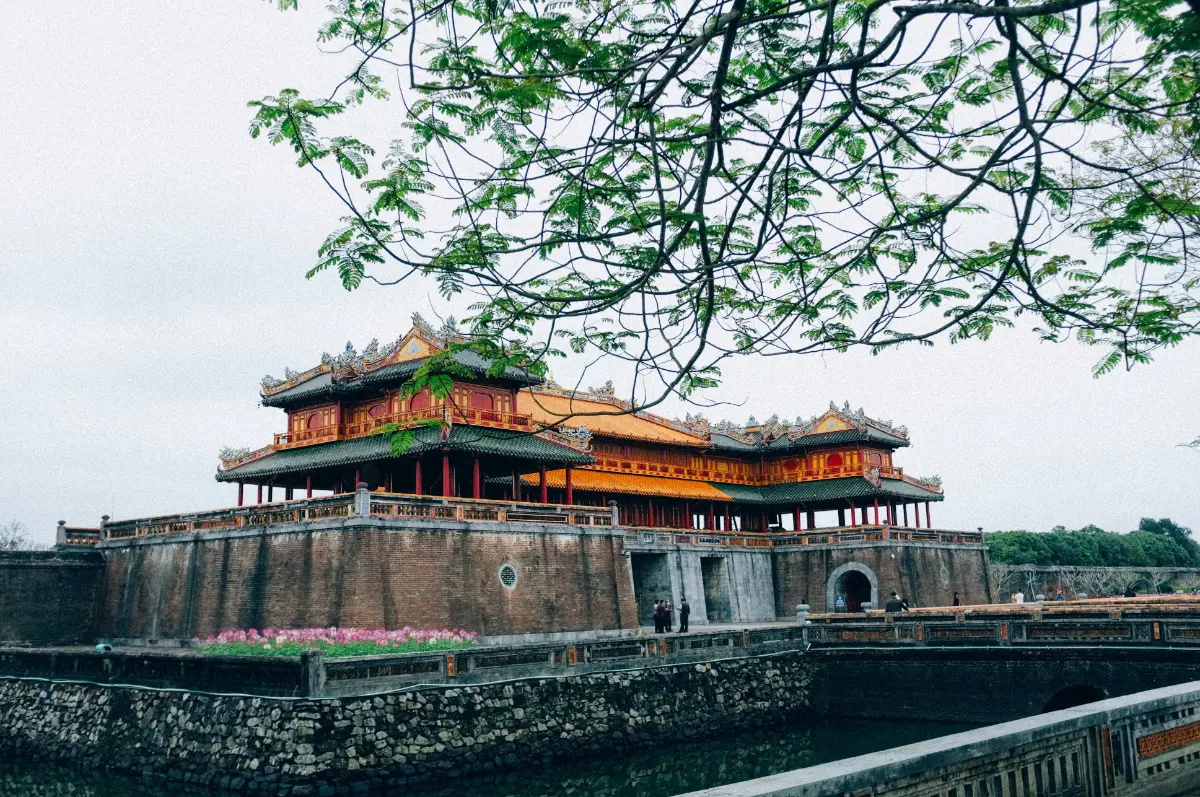
  • Imperial City of Hue — Cultural. The walled capital of the Nguyen dynasty (1802–1945).
  • Hoi An Ancient Town — Cultural. A remarkably preserved 15th–19th century Southeast Asian trading port.
  • My Son Sanctuary — Cultural. Hindu temple towers of the Champa Kingdom (4th–14th centuries).
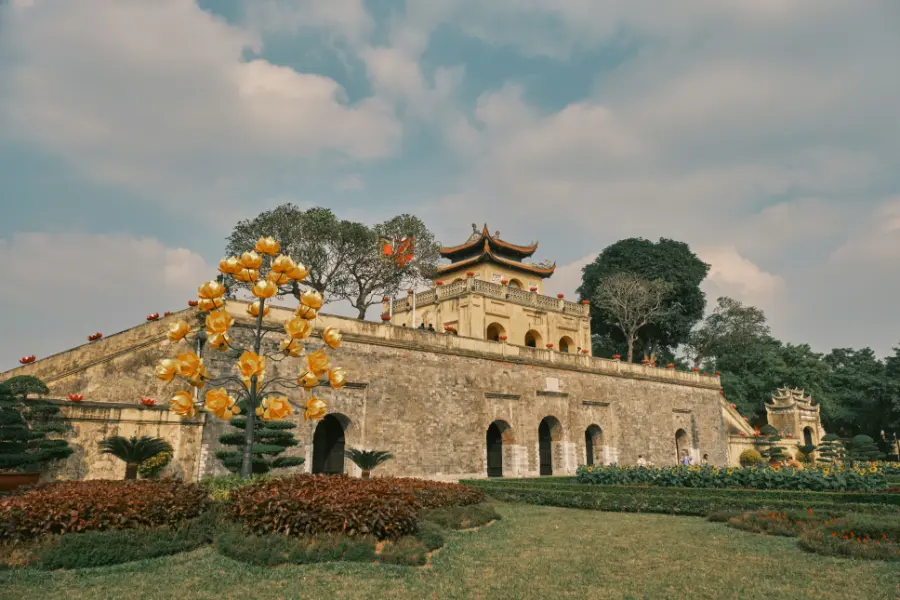
  • Central Sector of the Imperial Citadel of Thang Long — Cultural. The political heart of Vietnam for thirteen centuries.
  • Citadel of the Ho Dynasty — Cultural. A 14th-century fortress built from massive stone blocks.
  • Ha Long Bay — Natural. Nearly 2,000 limestone islands rising from emerald waters.
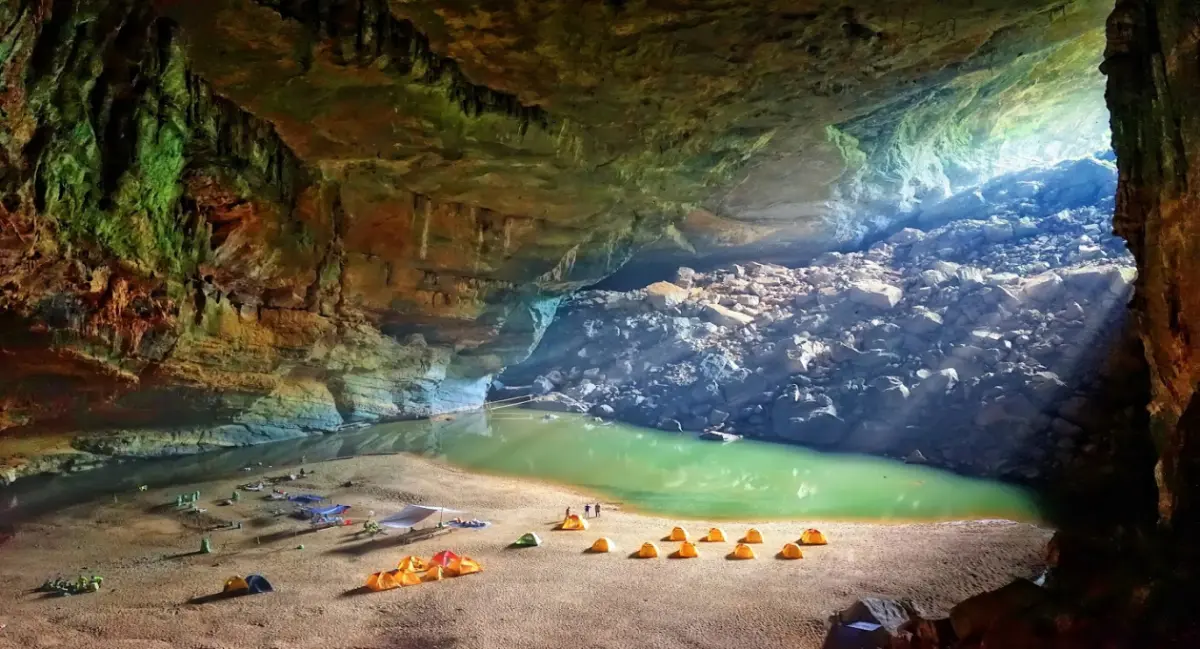
  • Phong Nha – Ke Bang National Park — Natural. The world’s most important karst landscape and home of Son Doong Cave.
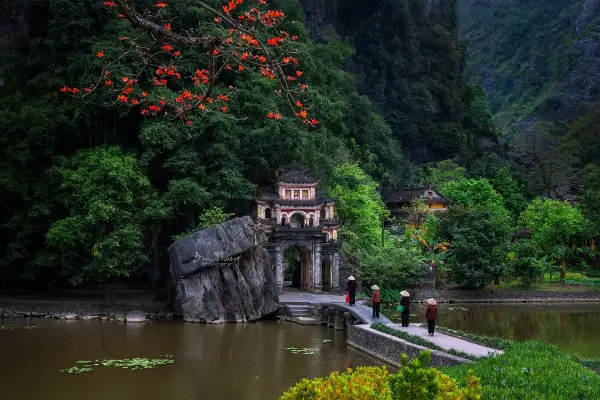
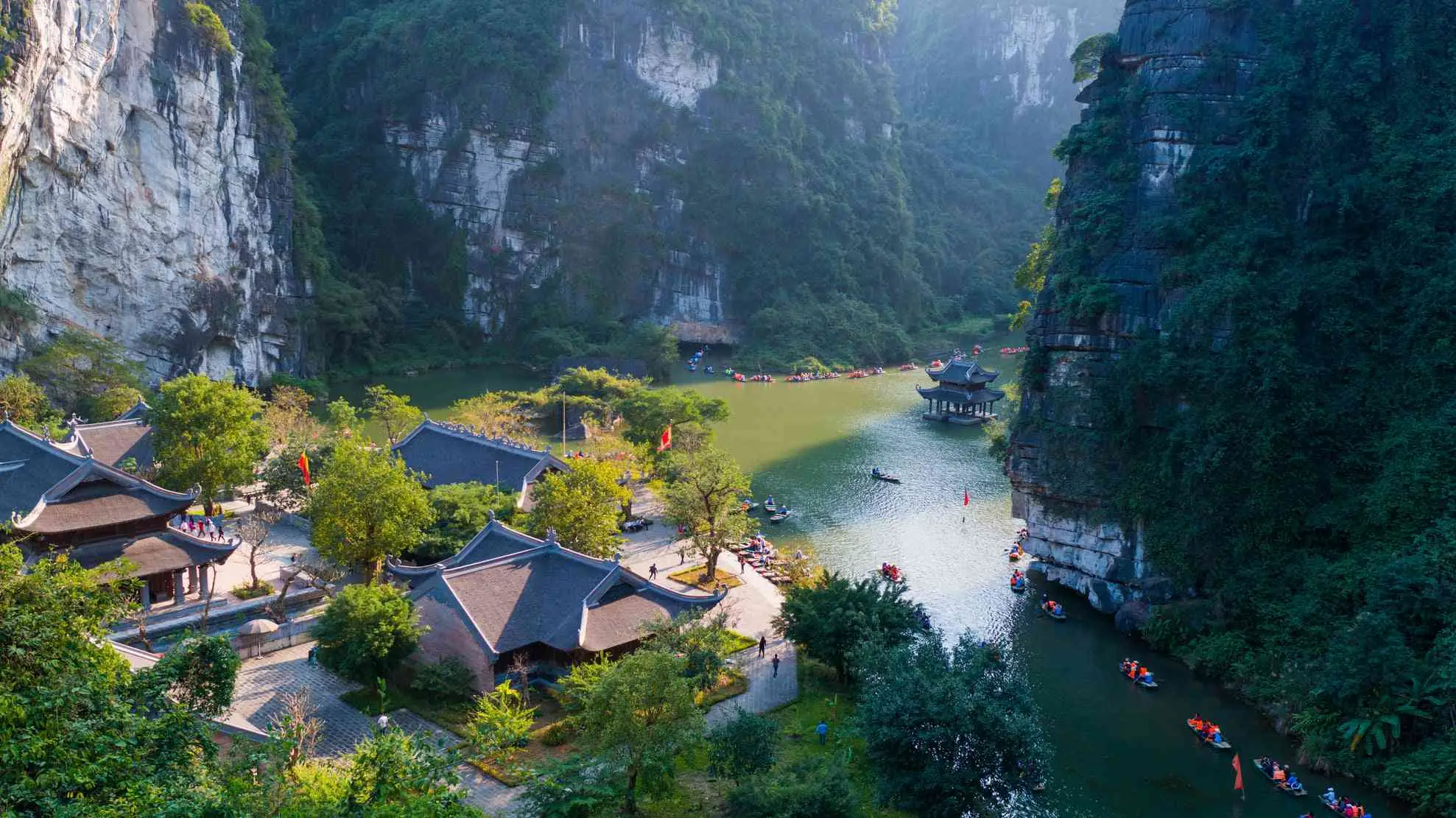
  • Trang An Landscape Complex — Mixed. Limestone karst peaks, river valleys, and ancient capitals.
Natural Heritage

Vietnam’s Two Natural UNESCO Wonders

Ha Long Bay — the iconic seascape of nearly 2,000 limestone islands rising from emerald waters, celebrated for its exceptional natural beauty and geological significance. The bay was inscribed by UNESCO in 1994 and remains Vietnam’s most photographed destination.

Phong Nha – Ke Bang National Park — the world’s most important karst landscape, home to Son Doong — the largest cave in the world — and one of Asia’s richest cave ecosystems. The park was inscribed in 2003 and, in 2026, was named Asia’s Leading National Park for the second consecutive year.

Traditional red-sail junk boat on Ha Long Bay, Vietnam — a UNESCO Natural World Heritage Site
Phong Nha – Ke Bang National Park — a UNESCO Natural World Heritage Site in Quang Binh, Vietnam
Phong Nha – Ke Bang National Park — the world’s most important karst landscape, and home of Son Doong Cave.
A Deeper Heritage

Vietnam’s Intangible Cultural Traditions

Vietnam’s heritage is not only architectural. UNESCO has recognised numerous Vietnamese cultural traditions as intangible heritage — living practices that keep the country’s identity alive across generations.

Nhã nhạc

Hue court music — a refined form of Vietnamese classical music performed at the imperial court.

Quan họ

Bac Ninh love duets — a call-and-response folk singing tradition between male and female singers.

Ca trù

Ceremonial singing — a complex chamber music form featuring a female singer and instrumentalists.

Hát xoan

Phu Tho folk singing — a springtime ritual performed at temples honouring the Hung Kings.

Đờn ca tài tử

Southern amateur music — a chamber music tradition from the Mekong Delta region.

Ví and Giặm

Nghe Tinh folk songs — call-and-response songs from the central provinces of Nghe An and Ha Tinh.

Worship of the Hung Kings

Ancestor worship devoted to Vietnam’s legendary founding kings, celebrated every spring.

Giong Festival

A complex festival honouring the legendary hero Giong, held annually at multiple temples in northern Vietnam.

Mother Goddess Worship

Vietnamese practices of worshipping the Mother Goddess — a syncretic tradition involving mediums, music, and ritual.

Beyond UNESCO

A Living Heritage — Craft, Festival, and Cuisine

Vietnam’s heritage is also in its craft villages, its temple festivals, and its cuisine. The country is home to more than 5,000 festivals each year, from the Lunar New Year celebration of Tết to regional events honouring ancestors, harvests, and local deities.

Vietnam’s food traditions are equally significant. The country’s cuisine, characterised by fresh herbs, rice, fish sauce, and complex balancing of flavours, is one of Asia’s most celebrated culinary traditions.

In 2026, Vietnamese cuisine continues to grow in international recognition, with chefs, home cooks, and street vendors across the country earning global acclaim. The country’s craft villages — producing silk, ceramics, lacquerware, and bamboo — remain active centres of production and cultural transmission.

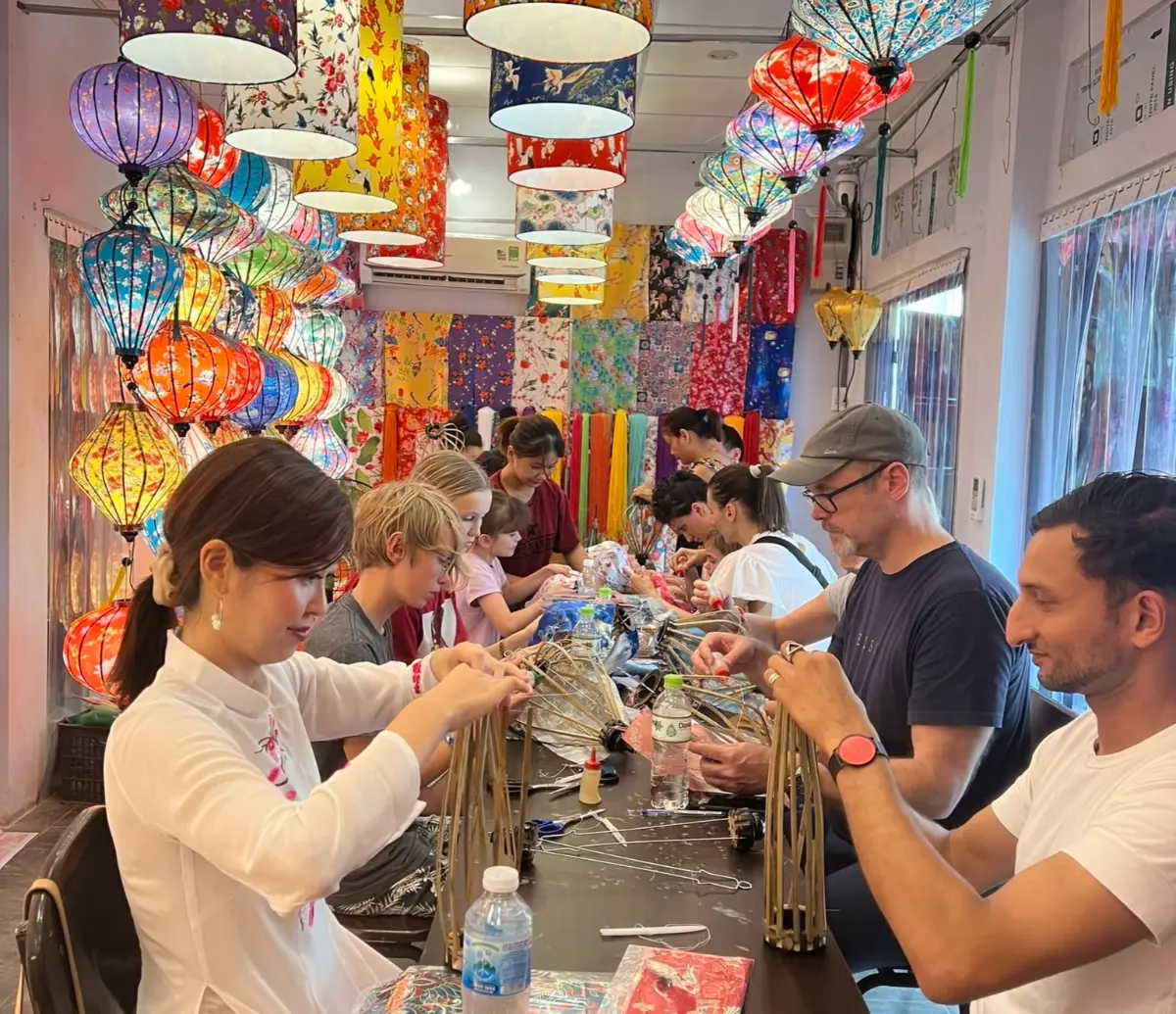
Lantern-making workshop in Hoi An — a living craft tradition passed down through generations
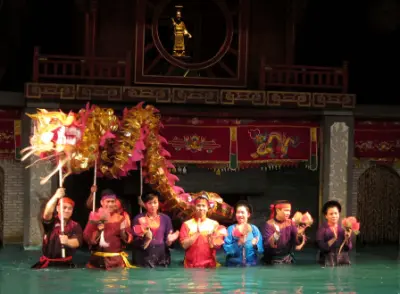
Traditional Vietnamese water puppet show — an ancient performance art unique to Vietnam
Vietnamese water puppetry — an ancient performance art unique to Vietnam, and a UNESCO intangible cultural heritage candidate.
Visiting Vietnam’s Heritage

Best Time to Visit Each UNESCO Site

Vietnam’s heritage sites can be visited throughout the year, each offering a distinct experience depending on the season.

SiteBest Time to VisitWhy It Matters
Imperial City of HueFebruary to AprilCooler weather, fewer crowds
Hoi An Ancient TownFebruary to AugustDry season, lantern festivals
My Son SanctuaryFebruary to AprilCool mornings, full-day visits
Ha Long BayOctober to AprilClear skies, calm waters
Phong Nha – Ke BangFebruary to AugustAccessible caves, dry season
Trang An Landscape ComplexOctober to AprilCooler temperatures, ideal for boat rides
Thang Long Imperial CitadelOctober to AprilComfortable city sightseeing
Citadel of the Ho DynastyOctober to AprilEasy day trip from Hanoi
A Heritage Worth Protecting

Vietnam’s Commitment to Cultural Preservation

Vietnam’s rise as Asia’s Leading Heritage Destination is not only a reflection of its past but a promise for its future. The country has invested heavily in preserving and presenting its heritage responsibly, balancing visitor access with conservation imperatives.

Travel Responsibly Through Vietnam’s Heritage

If you are visiting Vietnam’s heritage sites, here are a few ways to travel with care:

  • Follow all posted rules at UNESCO sites — do not touch carvings, climb restricted structures, or remove artefacts.
  • Support local guides, artisans, and family-run businesses rather than international chains where possible.
  • Dress respectfully when visiting temples, pagodas, and imperial tombs — shoulders and knees should be covered.
  • Purchase handicrafts directly from craft villages and artisan workshops.
  • Avoid plastic waste — bring a reusable bottle and refuse single-use plastic bags.
  • Choose operators that prioritise cultural sensitivity and environmental conservation.

The Asia’s Leading Heritage Destination 2026 award is a recognition of this balance — and an invitation to travelers from around the world to experience one of Asia’s most remarkable cultural landscapes.

Andy’s Perspective

Why Vietnam’s Heritage Deserves Its Recognition

Vietnam’s heritage award is not a surprise. It is the result of decades of careful preservation, and of a country that has never lost sight of where it came from.

“Vietnam’s heritage is unlike any other in Asia. In a single journey you can stand inside a Champa temple, walk through a Nguyen imperial palace, and glide on a boat beneath limestone towers that have been painted for centuries. That range — Cham, Khmer, Vietnamese, French — is what makes Vietnam’s heritage landscape extraordinary.”

— Andy Nguyen, Vietnam Travel Expert at Asia Travel Mates

For travelers planning a heritage journey in Vietnam, my advice is simple: don’t rush. Hue, Hoi An, and My Son each deserve at least two days. Take a guide — not to be led, but to be able to ask questions. And allow time for the intangible heritage: a water puppet show, a court music performance, or a lantern-making workshop.

Frequently Asked Questions

Vietnam Heritage Travel FAQs

What did Vietnam win at the World Travel Awards 2026?

Vietnam was named Asia’s Leading Heritage Destination at the World Travel Awards 2026, held at CROSSROADS Maldives on September 27, 2026. Vietnam also won Asia’s Leading Destination for the sixth consecutive year.

How many UNESCO World Heritage Sites does Vietnam have?

Vietnam has eight UNESCO World Heritage Sites — five cultural, two natural, and one mixed.

Which are Vietnam’s UNESCO World Heritage Sites?

Vietnam’s UNESCO World Heritage Sites are: the Imperial City of Hue, Hoi An Ancient Town, My Son Sanctuary, the Central Sector of the Imperial Citadel of Thang Long, the Citadel of the Ho Dynasty (cultural); Ha Long Bay and Phong Nha – Ke Bang National Park (natural); and the Trang An Landscape Complex (mixed).

What is Vietnam’s most famous heritage site?

Ha Long Bay is the most well-known internationally, followed closely by Hoi An Ancient Town and the Imperial City of Hue.

What is the best time to visit Vietnam’s heritage sites?

October to April is ideal for northern and central heritage sites. Central Vietnam is best visited from February to August.

How long do I need to see Vietnam’s heritage sites?

A focused heritage journey of 14 to 21 days allows visitors to experience the country’s major UNESCO sites comfortably.

Are Vietnam’s heritage sites family-friendly?

Yes. Most sites, including Hoi An, Hue, and Ha Long Bay, are suitable for families with children of all ages.

What makes Vietnam’s heritage unique?

Vietnam’s heritage reflects the meeting of multiple civilizations — Cham, Khmer, Vietnamese, and French — layered over two millennia, producing a cultural landscape unlike any other in Asia.

Plan Your Vietnam Heritage Journey

Experience Asia’s Leading Heritage Destination For Yourself

From multi-day heritage itineraries through Hue and Hoi An to luxury cruises in Ha Long Bay and private tours of Phong Nha – Ke Bang, we can design a Vietnam journey that brings the country’s UNESCO wonders to life.

Vietnam · Cambodia · Laos

Design Your Custom Journey →