Heritage Hotels
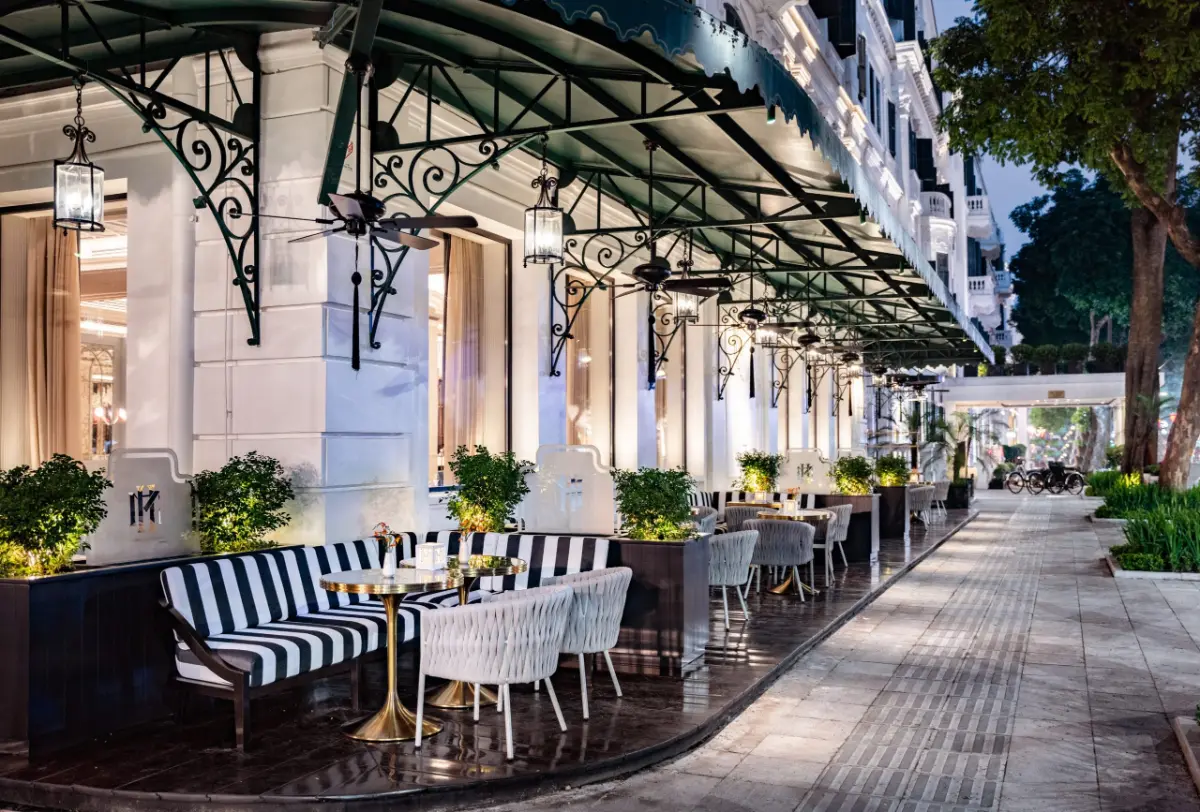
Stay inside history within colonial mansions, converted royal residences, and boutique heritage gems across Indochina’s most beautiful cities.
Explore Hotels →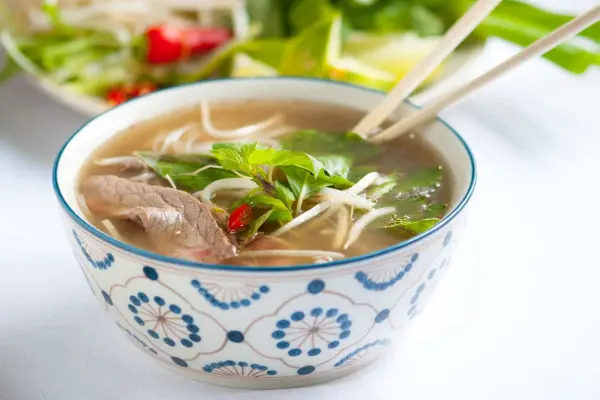
From the subtle elegance of the North to the fiery intensity of the Center and the sweet abundance of the South — Vietnam’s cuisine tells the story of its geography, history, and soul.
Vietnamese cuisine is a symphony of flavors, textures, and aromas that has captivated food lovers worldwide. Yet, to truly understand Vietnamese food is to recognize that it is not a single, monolithic tradition. Instead, it is a vibrant tapestry woven from three distinct culinary regions—North, Central, and South—each with its own philosophy, flavor profile, and signature dishes. This regional diversity is not merely a matter of preference; it is a profound reflection of Vietnam’s geography, climate, and turbulent history.

Vietnam’s dramatic S-shape spans over 1,600 kilometers from the Chinese border to the South China Sea. This geographical diversity — from the cool, misty mountains of the north to the tropical heat of the Mekong Delta — has created vastly different agricultural conditions, ingredient availability, and culinary traditions.
Climate: The North experiences distinct seasons, with cooler winters that limit spice cultivation. The South enjoys year-round tropical warmth and abundant rainfall. The Center sits in a transitional zone, with harsh, dry winds and a challenging agricultural environment.
Soil and Rivers: The Red River Delta in the North has fertile alluvial soil ideal for rice cultivation. The Mekong Delta in the South is Vietnam’s rice basket, producing rice, tropical fruits, and seafood. The Center’s narrow coastal strip and mountainous interior created a more isolated culinary tradition.
History: The North absorbed Chinese influences over centuries of occupation. The Center developed under the Nguyễn Dynasty, whose imperial court demanded culinary perfection. The South, settled later, absorbed influences from Khmer, Thai, and Chinese traders who arrived via the Mekong River.
Trade Routes: The South’s position along the Mekong River connected it to Cambodia, Thailand, and the wider Southeast Asian trading network, introducing new spices, techniques, and ingredients.
Royal Court Culture: The Nguyễn Dynasty in Huế created a tradition of elaborate, visually stunning cuisine that remains unmatched in its sophistication.
In Northern Vietnam, the cuisine is a study in subtle elegance and philosophical balance. The region, considered the cradle of Vietnamese civilization, developed its culinary traditions in a cooler climate where spices did not grow as abundantly as in the south. This limitation fostered a style of cooking that prioritizes the harmonious interplay of fundamental flavors over bold, individual tastes.
Northern cuisine is characterized by its light, balanced flavors. It is not about one taste—sweet, salty, spicy, bitter, or sour—dominating a dish. Instead, these elements are meticulously combined to create a final product that is greater than the sum of its parts. This reflects a broader cultural philosophy deeply rooted in Vietnamese tradition, balancing the principles of yin and yang, hot and cold, to create meals that are both delicious and believed to be healthful. Meals are often prepared with complex formulas, where ingredients and spices are measured with a sense of perfectionism, and presentation is considered an art form.
This culinary philosophy is influenced by the region’s history. As the birthplace of the nation and the site of its ancient capital for over a millennium, Northern Vietnam was heavily influenced by its northern neighbor, China. This has resulted in a repertoire of stir-fried dishes, noodle soups, and the prevalent use of soy sauce. However, unlike the Sichuan or Hunan provinces of China, the North’s cooler climate and distinct palate ensured that its cuisine remained far less fiery.
Phở Hà Nội — While phở is enjoyed throughout Vietnam, its purest and most celebrated form is found in Hanoi. Northern phở is distinguished by its crystal-clear broth, which achieves its depth of flavor from hours of simmering beef or chicken bones with charred onions and ginger, and a delicate blend of spices like star anise and cinnamon. The dish is served with flat rice noodles and minimal garnishes—perhaps just a squeeze of lime, sliced chili, and a handful of scallions and coriander. The focus remains unwaveringly on the purity and clarity of the broth.
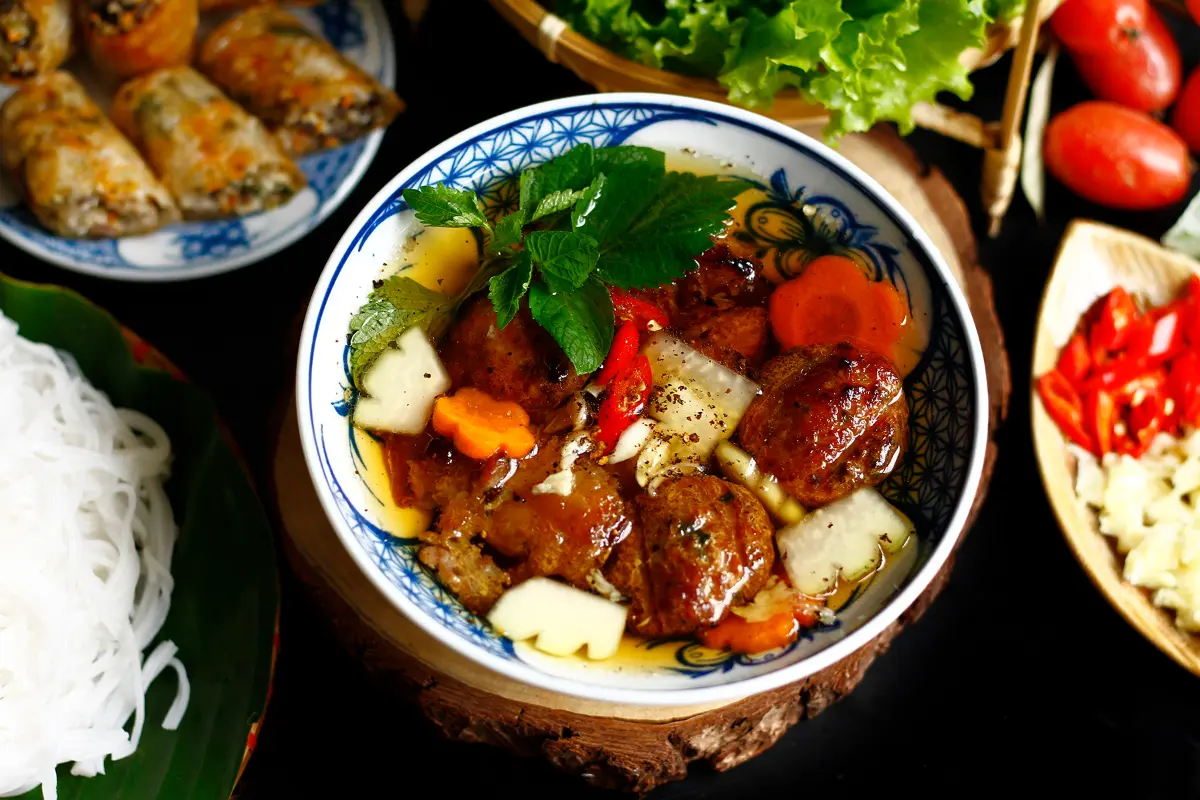
Bún Chả — This dish is a Hanoi specialty that rocketed to international fame when President Barack Obama and Anthony Bourdain shared a meal of it at a humble Hanoi eatery. Bún chả features charcoal-grilled pork patties and slices of pork belly served alongside a bowl of cool vermicelli noodles and a basket of fresh herbs. The dish is assembled at the table, with diners dipping their noodles and meat into a sweet, sour, and savory fish sauce-based broth. It is a communal and interactive meal, perfectly embodying the North’s love for fresh herbs and balanced flavors.
Chả Cá — Originating from Hanoi, this dish is a true testament to the region’s culinary refinement. Chả Cá Lã Vọng is a one-of-a-kind dish where turmeric-marinated fish is grilled or fried in a sizzling pan with dill and spring onions. It is served with vermicelli noodles, peanuts, and a pungent shrimp paste dipping sauce, offering a complex interplay of textures and tastes.

As one travels south, the cuisine undergoes a dramatic transformation. Central Vietnam, particularly the region surrounding the ancient imperial city of Huế, is known for its fiery, complex, and visually stunning food. The landscape here is harsh, with unforgiving weather, and this intensity is mirrored in the region’s bold and uncompromising flavors.
The defining characteristic of Central Vietnamese cuisine is its historical link to the Nguyễn Dynasty, which ruled from Huế between 1802 and 1945. The imperial court demanded culinary perfection, resulting in a tradition of unparalleled sophistication and refinement. Historical records mention nearly 1,300 dishes created for the royal family, with about 700 preserved today. As a result, Hue royal cuisine is considered “the pinnacle of Vietnamese gastronomy.”
Chefs were tasked with creating dishes that were not only delicious but also visually breathtaking, often shaped to resemble dragons, phoenixes, or other imperial symbols. Utensils were crafted from ivory or precious wood, and dishes were often presented in intricate, specially designed bowls. This emphasis on presentation remains a hallmark of Central cuisine.
Central Vietnamese meals are often served as a banquet of many small, intricately prepared dishes. The portions are modest, but the flavors are anything but. This is the region that uses the most chili peppers and shrimp paste (mắm tôm) to create a powerful, pungent, and fiery flavor profile.
The region’s cuisine also maintains a strict adherence to the philosophy of yin and yang balance. In Hue, seafood and shellfish are believed to be “cool” foods, so they are almost always cooked with “hot” ingredients like chili, pepper, lemongrass, and grapefruit leaves to create equilibrium within the dish and the body. The culinary master of the region knew that pepper is added several times—when mixing ingredients, during cooking, and just before serving—to layer the warmth without overwhelming the other flavors.
Bún Bò Huế — Arguably the region’s most famous export, this spicy beef noodle soup is the fiery counterpart to Northern phở. Its robust, complex broth is made from beef bones, pork knuckles, and lemongrass, flavored with chili oil and fermented shrimp paste. The dish is served with thick, round rice noodles, tender slices of beef and pork, and often a pig’s blood cube. The result is a deeply savory, spicy, and aromatic bowl that packs a serious punch.
Hue Royal Cuisine — A true exploration of Central food involves experiencing the royal-inspired dishes. Bánh Bèo are steamed rice cakes topped with a savory mixture of dried shrimp and crispy pork skin. Bánh Nậm is a flat, steamed rice dumpling with a shrimp and pork filling. Bánh Khoái is a crispy fried rice crepe similar to a Southern pancake but much smaller. Finally, Cơm Hến, or mussel rice, is a vibrant dish of rice topped with tiny mussels, herbs, peanuts, and crispy rice crackers, all mixed with a spicy, tangy sauce. These small, vibrant dishes are a feast for both the eyes and the palate.
Mì Quảng — While this dish originates from Quảng Nam province near Đà Nẵng, it is a signature of the Central region. It features turmeric-colored rice noodles served with a small amount of rich, savory broth, topped with shrimp, pork, quail eggs, and peanuts, and served with a crispy sesame rice cracker.

The cuisine of Southern Vietnam is a vibrant celebration of the region’s tropical climate and abundant natural resources. The warm weather, fertile Mekong Delta soil, and extensive river systems create an ideal environment for growing fruits, vegetables, and raising livestock.
Southern Vietnamese food is significantly sweeter than its northern and central counterparts. This is due to the widespread use of sugar and coconut milk in cooking, which adds a rich, caramelized sweetness to many dishes. For instance, the South’s iconic cá kho tộ (caramelized fish in clay pot) gets its distinctive dark color and flavor from caramelized sugar. This preference for sweet flavors is often attributed to the warm, generous personality of the Southern people and the plentiful harvests of the region. While the North offers a more classic, restrained flavor, the South revels in a bold, direct, and sweet-forward approach.
Historically, the South was the last region of Vietnam to be settled, and its cuisine reflects its melting-pot history. It has absorbed significant influences from southern Chinese immigrants, French colonists, and Cambodian and Thai neighbors, resulting in a greater variety of ingredients and culinary techniques. Herbs like lemongrass, mint, and basil are used liberally, and tropical fruits like durian, mango, and pineapple are frequently incorporated into both savory and sweet dishes. The dining experience in the South is also more relaxed and informal, with people often gathering on straw mats for a backyard hotpot, reflecting a more laid-back lifestyle.
Hủ Tiếu — This noodle soup is a Southern classic, heavily influenced by Teochew (Chinese) cuisine. Unlike the beef-focused phở of the North, hủ tiếu is typically made with pork and seafood and features a clear, sweet broth made from pork bones and dried squid. It is served with a variety of toppings, including ground pork, shrimp, squid, and offal, and a plate of fresh herbs and bean sprouts on the side.
Cơm Tấm — This is the quintessential Saigon street food. Cơm tấm translates to “broken rice”—the fractured grains that were once considered a byproduct of the milling process. These days, it is a beloved dish consisting of grilled pork chops, shredded pork skin, a steamed egg-meatloaf, and a side of pickled vegetables. It is served with a generous drizzle of sweet fish sauce, embodying the South’s love for big, bold, and sweet flavors.
Canh Chua — This is the definitive Southern soup. It is a bright, tangy, and sweet tamarind-based soup filled with fish, pineapple, tomatoes, okra, and fresh bean sprouts. Topped with fried garlic and fresh herbs, it is a perfect representation of the South’s love for sour and sweet flavor combinations, making it a refreshing staple in the tropical heat.
Chè (Sweet Soups) — The South is famous for its vibrant and indulgent desserts, known as chè. These sweet soups or puddings are a canvas for tropical ingredients, made with beans, jellies, and a variety of fruits like jackfruit, mango, and durian, all swimming in rich, sweet coconut milk.
Some dishes transcend regional boundaries — but they change dramatically as you travel. Here’s how:
Northern phở (Hanoi) is about a clear, pure broth with minimal garnishes — lime, chili, scallions. Southern phở (Saigon) is a sweeter, bolder affair served with a mountain of fresh herbs, bean sprouts, and hoisin sauce that makes the broth murkier and more complex.
Central bánh xèo is smaller, crispier, and often made with turmeric. Southern bánh xèo is larger, softer, and filled with a wider variety of ingredients including shrimp, pork, and bean sprouts.
Northern fish sauce is lighter and more delicate. Central fish sauce (mắm tôm) is pungent and fermented with shrimp. Southern fish sauce is sweeter and used more liberally in cooking.
For the discerning traveler, Vietnam’s culinary heritage is best experienced through exclusive, curated encounters that go beyond the plate. Indochine Chic offers:
Indulge in imperial banquets at Sofitel Legend Metropole Hanoi or royal Hue cuisine at Azerai La Residence Hue.
Join acclaimed chefs on private market tours in Hanoi, Hue, and Ho Chi Minh City, selecting ingredients for a personalized cooking class.
Learn regional techniques from master chefs in intimate settings — from Hoi An’s family-run kitchens to Saigon’s contemporary culinary studios.
Experience the preserved recipes of the Nguyễn Dynasty in a private, multi-course banquet that recreates royal court dining with period music and presentation.
Visit organic farms in the Mekong Delta or central highlands, harvesting ingredients that become your lunch under the guidance of a chef.
Navigate Hanoi’s Old Quarter or Saigon’s District 1 with a food historian who explains the cultural context behind every dish.
The divisions between these three culinary regions are not arbitrary. They are, in essence, the story of Vietnam’s geography and history written in ingredients and flavor.
In the North, the cold winters and limited spice production necessitated a cuisine that was subtle, warming, and resourceful. It developed in the shadow of a powerful Chinese empire, absorbing techniques while maintaining a distinct, lighter character. In the Center, the harsh climate and the demands of a royal court created a cuisine of intense, fiery flavors and extravagant presentation. The food there was not just about sustenance; it was a statement of imperial power and sophistication. In the South, the fertile delta and the high-energy, open-minded inhabitants created a cuisine that was sweet, abundant, and cosmopolitan. The land was so generous that it allowed for the liberal use of sugar, coconut milk, and fresh, exotic produce.
The same dish, such as phở, can be vastly different from one region to the next. Northern phở is about a clear, pure broth and minimal garnishes, while Southern phở is a sweeter, bolder affair, served with a mountain of fresh herbs, bean sprouts, and hoisin sauce that make the broth murkier and more complex.
Explore the living legacy of Indochina through our curated editorial collection of heritage guides, hotels, and experiences.
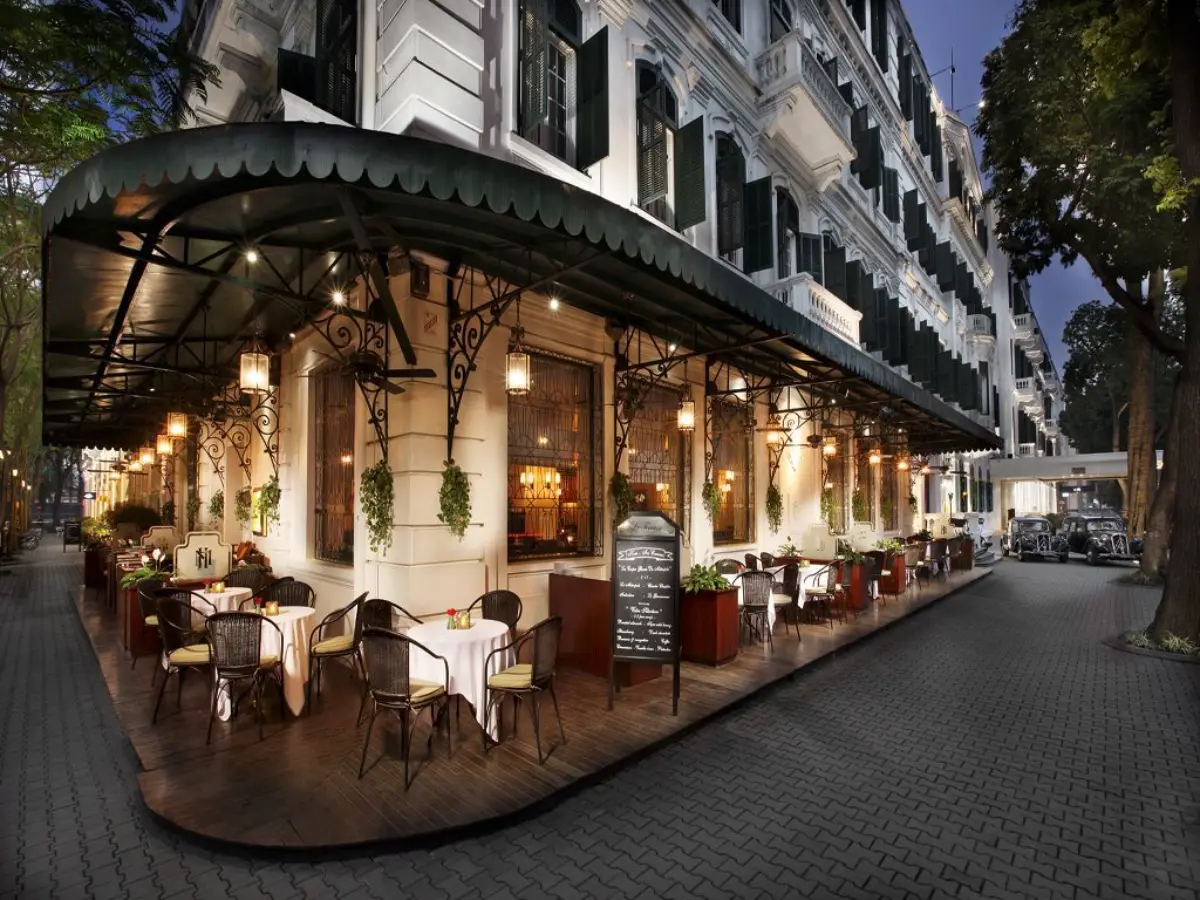
The ultimate crown jewel of classic French colonial elegance. Nostalgic white facades, timeless ironwork, and cinematic grandeur embody the peak of Indochine luxury.
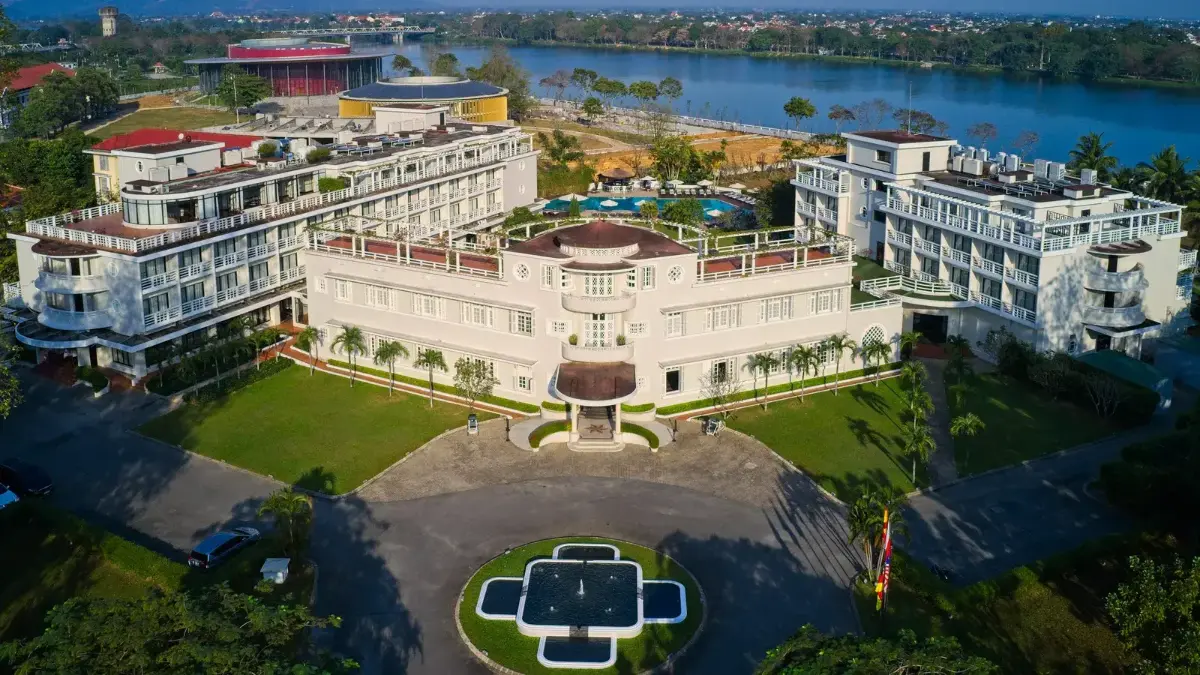
Timeless Art Deco elegance sitting proudly on the banks of the Perfume River facing the ancient Imperial Citadel.

An architectural sanctuary layout directly on the pristine coast. Unrivaled luxury villas and soul-stirring cultural spas.
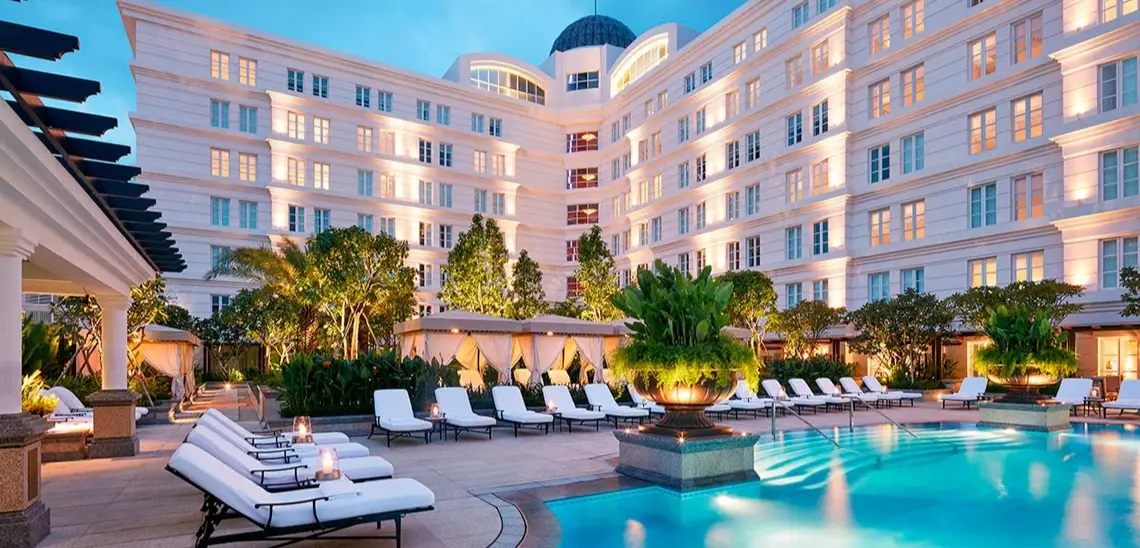
A pristine architectural heritage sanctuary dating back to 1930. Bask in old-world Saigon charm with opulent crystal chandeliers and nostalgic French-Indochine design lines.