The World’s Largest Temple
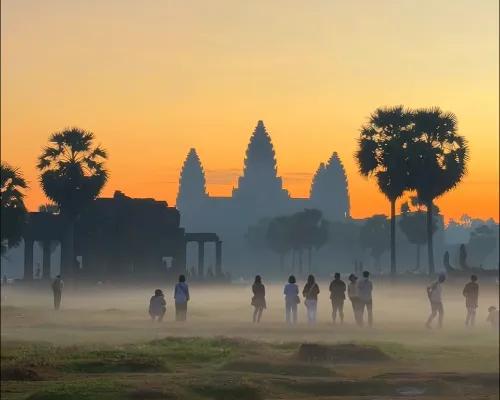
The largest religious monument in the world, and the spiritual heart of the Khmer Empire. Built by Suryavarman II in the early 12th century and dedicated to Vishnu.
The gateway to Angkor — the world’s greatest temple complex — and a destination in its own right, where ancient stone, floating villages, and Khmer hospitality converge.
Siem Reap sits in northwestern Cambodia, a low-rise city on the edge of the Angkor Archaeological Park. It is the gateway to Angkor Wat — the largest religious monument on Earth — and the wider Angkor heritage landscape of Angkor Thom, Bayon, and Ta Prohm.
But Siem Reap is more than a base. It is a city of Khmer heritage, contemporary hospitality, excellent food, bustling markets, and countryside experiences that reward travelers who stay longer than the temple circuit.
Siem Reap earns its place on every Cambodia itinerary — but the reasons go well beyond the temples.

The largest religious monument in the world, and the spiritual heart of the Khmer Empire. Built by Suryavarman II in the early 12th century and dedicated to Vishnu.

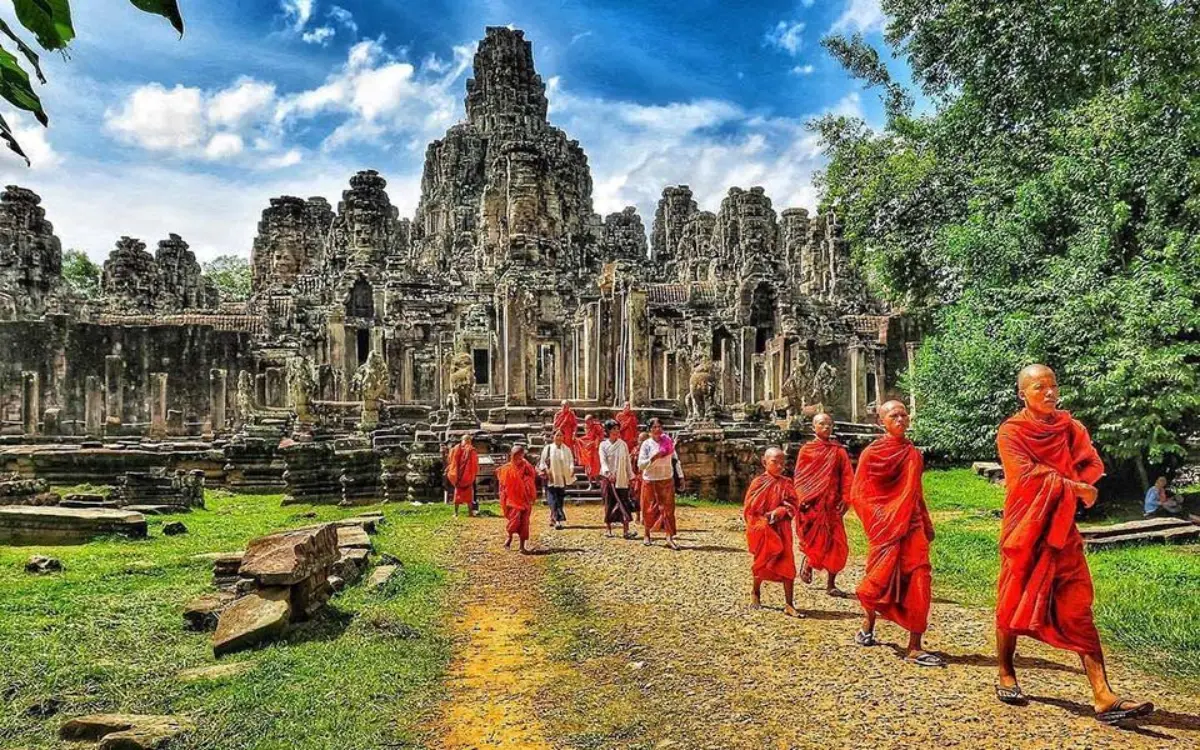
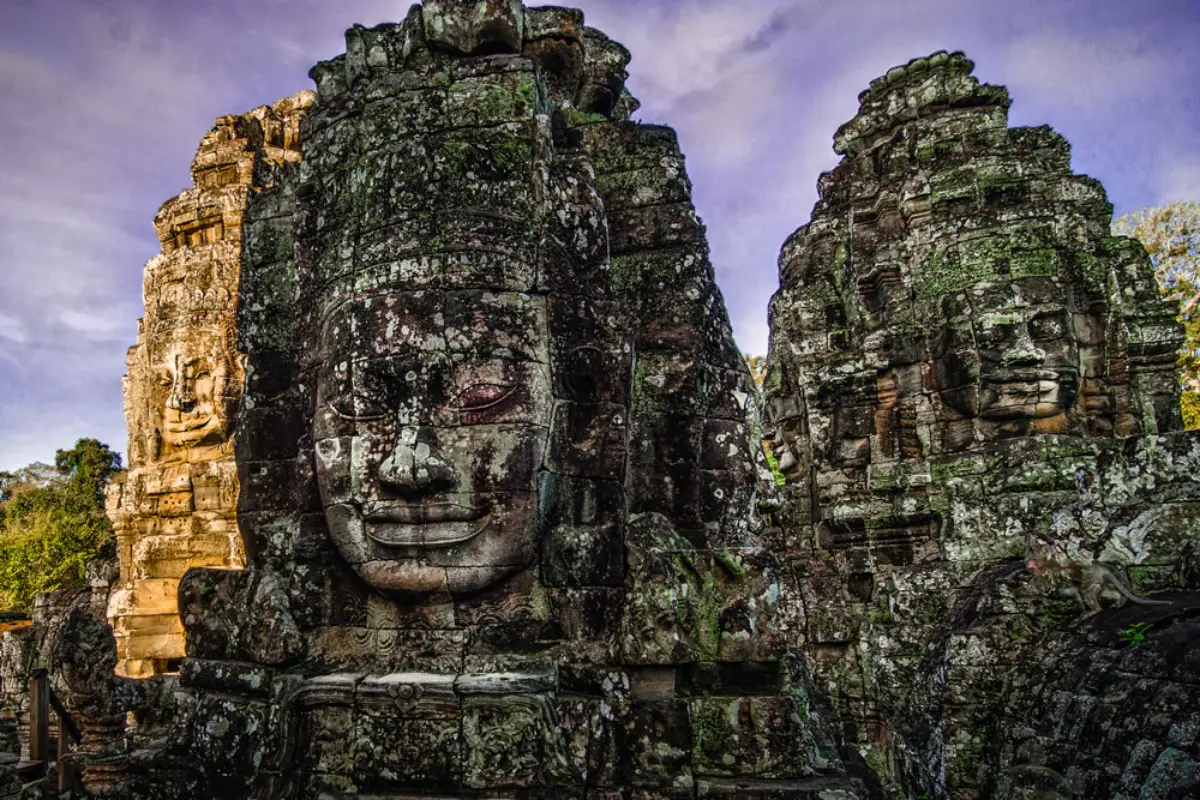
Angkor Thom was the last great capital of the Khmer Empire, built by Jayavarman VII. At its centre stands Bayon, known for its dozens of serene stone faces and remarkable bas-reliefs.

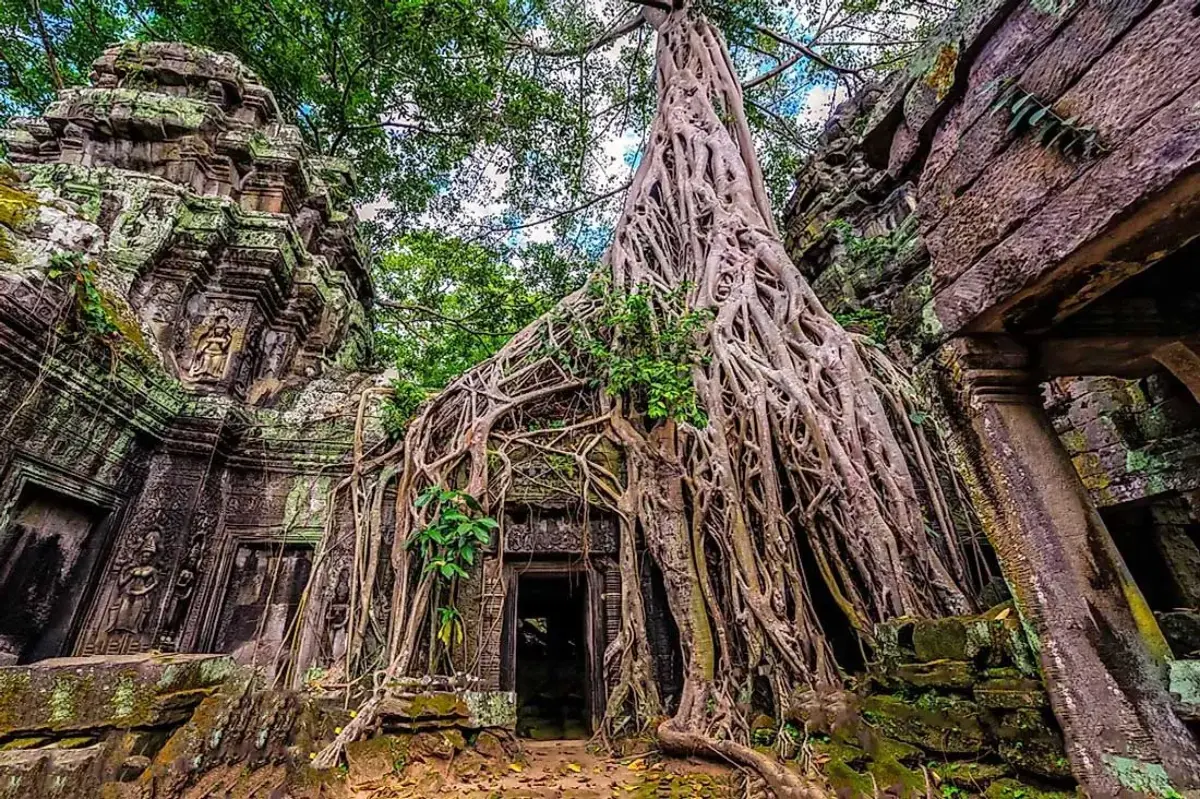
Perhaps the most atmospheric temple in Angkor, Ta Prohm has been deliberately left partially overgrown by jungle. Its giant trees and winding galleries make it a favourite for photographers and lovers of romantic ruins.

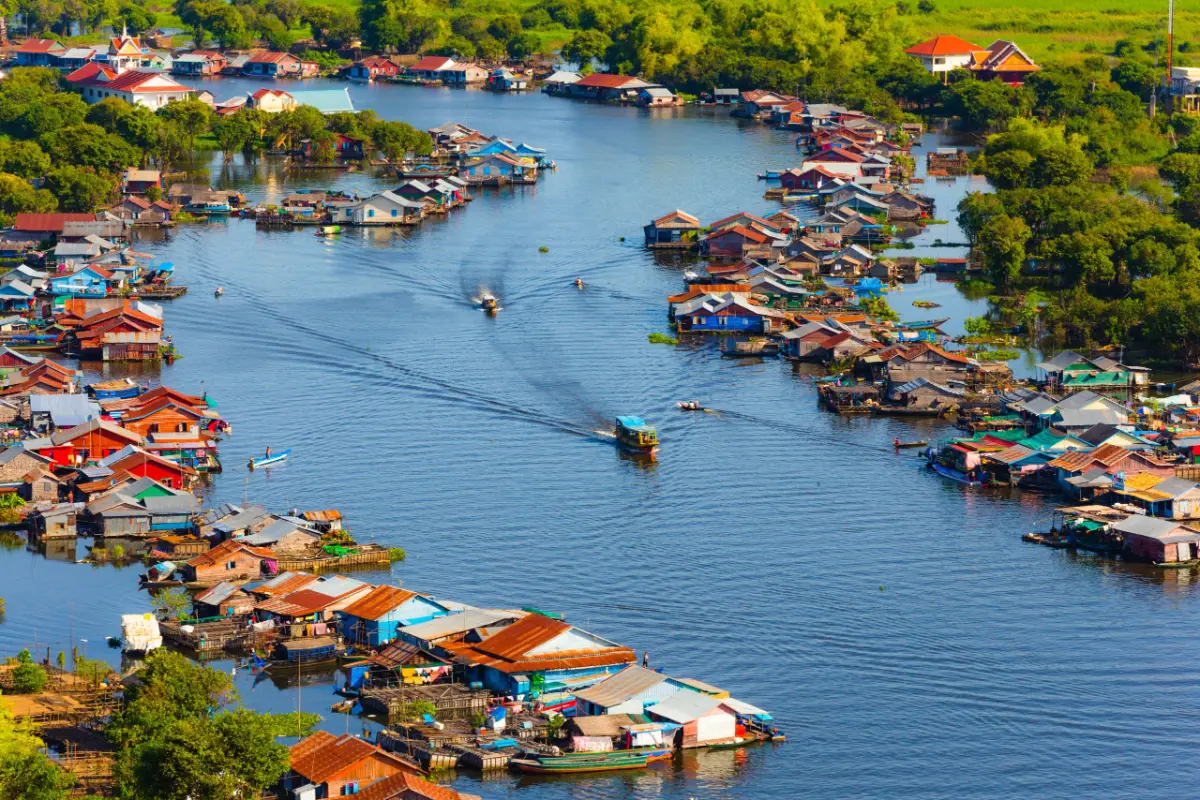
Southeast Asia’s largest freshwater lake is a world of floating villages, stilted houses, and seasonal transformation. Several villages are accessible from Siem Reap, including Kampong Khleang and Kampong Phluk.

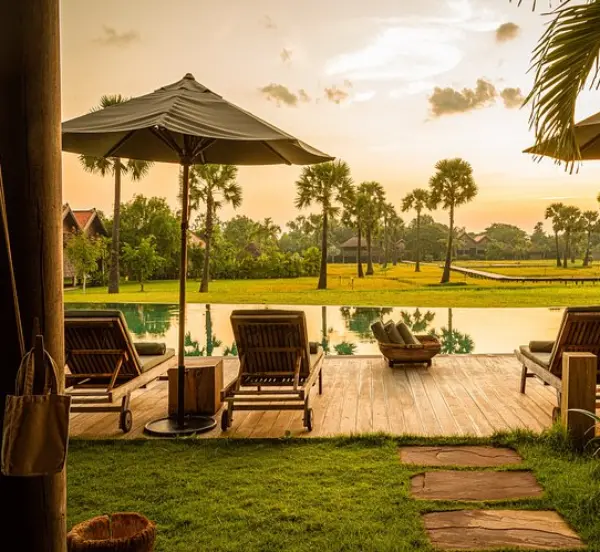
Siem Reap has one of the best-value hotel scenes in Asia — from $7 dorm beds to world-class luxury resorts. Heritage hotels, boutique properties, and wellness retreats are found across the city and countryside.

Beyond the temples, Siem Reap offers a thriving food scene, bustling markets, and a lively nightlife around Pub Street. Khmer cooking classes, Apsara dance performances, and artisan workshops are all part of the experience.
The Angkor Archaeological Park is a vast complex of temples, hydraulic structures, and ancient urban remains. Most visitors focus on a handful of masterpieces — but the park rewards deeper exploration.
Angkor Wat is the largest religious monument in the world, built by Suryavarman II in the early 12th century and dedicated to Vishnu. Famous for its five lotus-bud towers, extensive bas-reliefs, and its unusual westward orientation.
Angkor Thom was the last great capital of the Khmer Empire, built by Jayavarman VII. At its centre stands Bayon, known for its dozens of serene stone faces and remarkable bas-reliefs depicting daily life and historical events.
Ta Prohm is perhaps the most atmospheric temple in Angkor, deliberately left partially overgrown by jungle. Its giant trees and winding galleries make it a favourite for photographers and lovers of romantic ruins.
Further afield, Banteay Srei is celebrated for its exquisite pink sandstone carvings, while Beng Mealea and Koh Ker offer quieter, more adventurous experiences. Preah Vihear, a dramatic cliff-top temple on the Thai border, requires a full-day trip and border-area planning.
There is no single “best” month — each season offers a different experience.
21–35°C with minimal rain. The most comfortable time for temple touring. This is peak season, so book accommodation and guides in advance.
Temperatures can reach 40°C+. Fewer crowds, and Khmer New Year (mid-April) brings vibrant celebrations. Start temple visits early and carry water.
Short heavy afternoon rains, lush landscapes, and fewer crowds. Lower prices and quieter temples. The countryside is at its most vibrant.
Siem Reap–Angkor International Airport (SAI) is about 50 km east of the city, with international flights from major Asian hubs and domestic connections. Airport transfers by taxi, shared bus, or private car are available.
From Phnom Penh — 5–6 hours via National Road 6. From Battambang — 3–4 hours by road or boat (seasonal). From Thailand — via Poipet border crossing.
Tuk-tuk is the most popular option for temple touring ($15–25/day). Private cars, taxis, ride-hailing, bicycles, and walking are also common. Grab works in Siem Reap.
Most nationalities can obtain a visa on arrival or e-visa. US dollars and Cambodian riel are both used; small bills are essential.
Angkor Wat, Angkor Thom, Bayon, Ta Prohm. A minimum for the temples.
Angkor + city culture, Old Market, Apsara dance, food. The most balanced stay for first-time visitors.
Angkor + Tonlé Sap + countryside + deeper temple exploration (Beng Mealea, Koh Ker, Preah Vihear).
The classic Angkor circuit, city culture, Tonlé Sap, and Khmer food. Three days is the most balanced stay for first-time visitors.
Private guides, exclusive experiences, fine dining, premium resorts. Siem Reap has one of the best-value luxury hotel scenes in Asia.
Pool time, shorter temple visits, Tonlé Sap boat trips, cultural shows. Choose hotels with pools and use private transport for flexibility.
Siem Reap combines naturally with other destinations in Cambodia and across Indochina.
Siem Reap is in northwestern Cambodia, about 315 km from Phnom Penh. It is the gateway city to the Angkor Archaeological Park.
Siem Reap is world-famous for Angkor Wat and the wider Angkor temple complex, as well as Tonlé Sap Lake, Khmer cuisine, markets, and luxury hospitality.
Three full days is the most balanced stay for first-time visitors. Two days is a minimum for the temples; four to five days allows deeper exploration of Tonlé Sap, the countryside, and local culture.
Yes. Siem Reap is one of Southeast Asia’s most rewarding destinations, combining the world’s largest religious monument with rich culture, excellent food, and warm hospitality.
Angkor Wat is about 6 km north of central Siem Reap — roughly 15–20 minutes by tuk-tuk.
Angkor Wat sunrise, Angkor Thom and Bayon, Ta Prohm, Tonlé Sap floating villages, Khmer cooking classes, Apsara dance, and exploring the Old Market and Pub Street.
November to February offers the most comfortable weather. May to October is greener and quieter. March and April are hottest but offer Khmer New Year.
Options include taxi, shared bus, or private car. The airport is about 50 km east of the city.
Tuk-tuk is the most popular option. Private cars, taxis, ride-hailing, bicycles, and walking are also common.
Yes, with planning. Shorter temple visits, pool time, private transport, and family-friendly hotels make it manageable.
Cover shoulders and knees. Light, breathable clothing is best. A scarf or sarong is useful.
Yes, but you’ll only see the highlights. Two or three days is better for a fuller experience.
A guide adds context and depth, especially for first-time visitors. Private guides are recommended for luxury and cultural travelers.
Yes. Flights connect Siem Reap with Ho Chi Minh City, Hanoi, and other Vietnamese hubs.
Yes. Flights connect Siem Reap with Luang Prabang and Vientiane, making multi-country Indochina journeys straightforward.

Whether you’re planning a first trip to Angkor, a luxury escape, or a deeper exploration of Khmer heritage, our specialists can help you build the right journey.
Start Planning →If you are building Cambodia programs that include Siem Reap, we can support you with local DMC services, vetted guides, and confidential trade rates.
Visit the Trade Page →Siem Reap is where ancient stone meets Khmer hospitality — a destination that rewards curiosity, whether you’re here for the temples, the food, or the simple pleasure of slowing down in the countryside.