Luang Prabang Travel Guide | UNESCO Temples, Kuang Si & Mekong | Asia Travel Mates
Skip to main content
UNESCO World Heritage · Northern Laos

Luang Prabang: Laos’s UNESCO crown jewel.

A UNESCO World Heritage town of golden temples, morning alms, turquoise waterfalls, and Mekong sunsets. Where the rivers meet and time slows down.

Wat Xieng Thong Mount Phousi Kuang Si Waterfalls Alms-Giving Mekong River
Location Northern Laos, at the Mekong and Nam Khan rivers
Status UNESCO World Heritage Site (1995)
Known For Golden temples, alms-giving, Kuang Si Waterfalls
Best Season November to January (cool and dry)
About the Town

Laos’s UNESCO crown jewel, where two rivers meet.

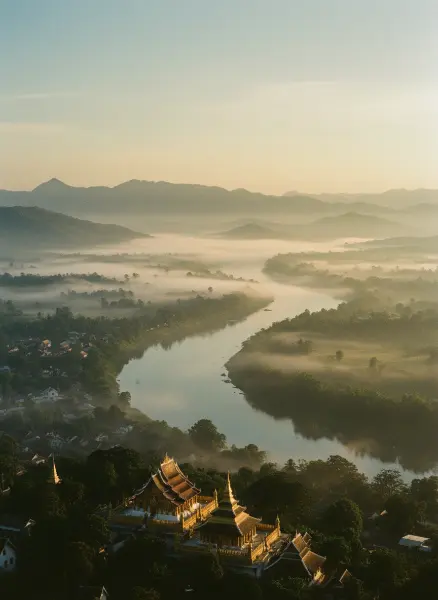
Luang Prabang is a UNESCO World Heritage town in Northern Laos, set between the Mekong and Nam Khan rivers under misty hills. Known for its rich cultural heritage, it received an award in the 2024 Green Destinations Top 100 Stories for its commitment to responsible tourism and cultural preservation.

Lonely Planet named Luang Prabang one of the seven best places to visit in Southeast Asia for 2024, highlighting its rich Buddhist culture, historic temples, and unique spiritual sites. The travel publication described it as “an important site for Buddhist culture,” emphasizing the city’s commitment to preserving its ancient temples and spiritual heritage.

Beyond its rich traditional heritage, travelers also praise Luang Prabang for its laid-back atmosphere, featuring quaint alleyways, lively festivals, and natural beauty. One of the unique experiences is the daily almsgiving ceremony, a centuries-old ritual where monks collect alms from locals and visitors. This practice, typically beginning around 5:30 am, involves people lining the streets with baskets of food, which they offer to the monks in exchange for blessings and good wishes.

The long-running joke that Laos P.D.R. (People’s Democratic Republic) actually stands for Laos “Please Don’t Rush” still rings true today. Five days would allow for the major attractions, plus time to sa-sa or “slow down” to enjoy a croissant at Le Banneton, sunset beers on the riverside, and a second look through the night market.

What to See & Do

Experiences in Luang Prabang

From golden temples to turquoise waterfalls and the sacred morning alms, Luang Prabang offers spiritual and natural wonders in equal measure.

Wat Xieng Thong — the most revered temple in Luang Prabang
01 · Wat Xieng Thong

The Most Revered Temple

Dating back to 1560, Wat Xieng Thong is one of the most important and visually stunning temples in the city. Admire its sweeping roofs, intricate mosaics, and the famous Tree of Life mural that reflects the temple’s deep cultural significance. Lonely Planet recommends visiting this “spiritually significant temple,” renowned for its large mosaics and Tripitaka Library.

Built in 1560
Tree of Life mural
Intricate mosaics
Low sweeping roofs
Mount Phousi — 328 steps to panoramic views of Luang Prabang
02 · Mount Phousi

Panoramic Views from the Sacred Hill

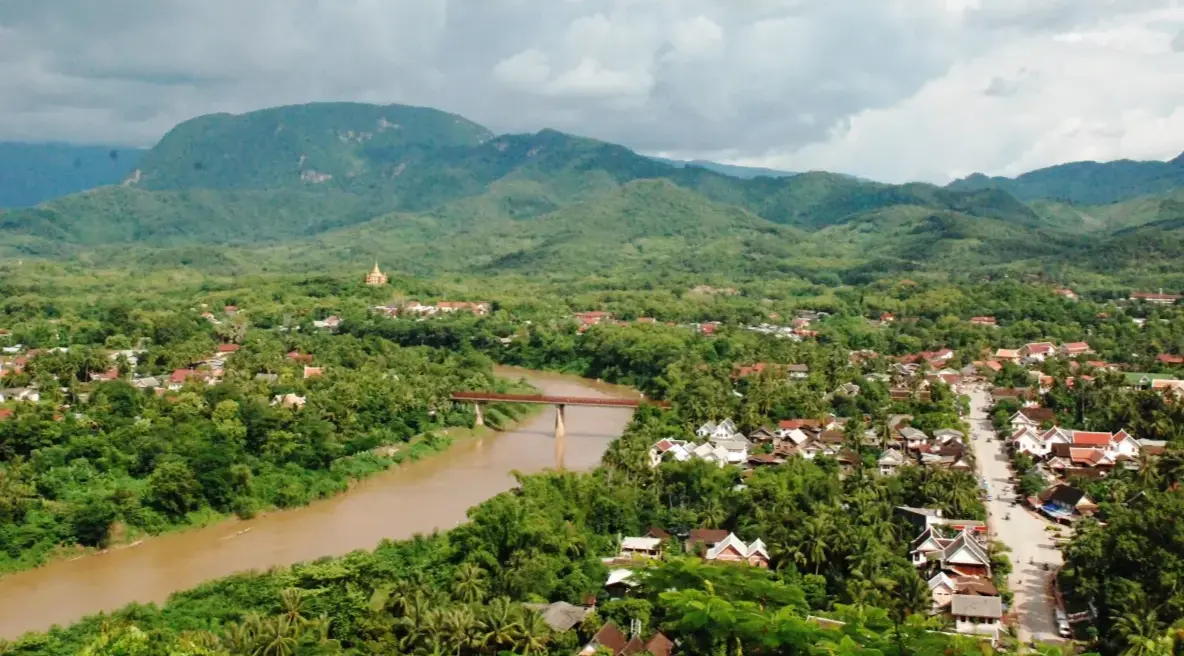
Climb 328 steps to reach the summit of Mount Phousi, where you’ll enjoy breathtaking panoramic views of Luang Prabang’s old town, the Mekong and Nam Khan rivers, and the surrounding mountains. A perfect photo opportunity and a moment of peaceful reflection. The site offers a collection of temples and shrines with a view over the World Heritage city.

328 steps to the summit
360-degree views
Temples and shrines
Best at sunset
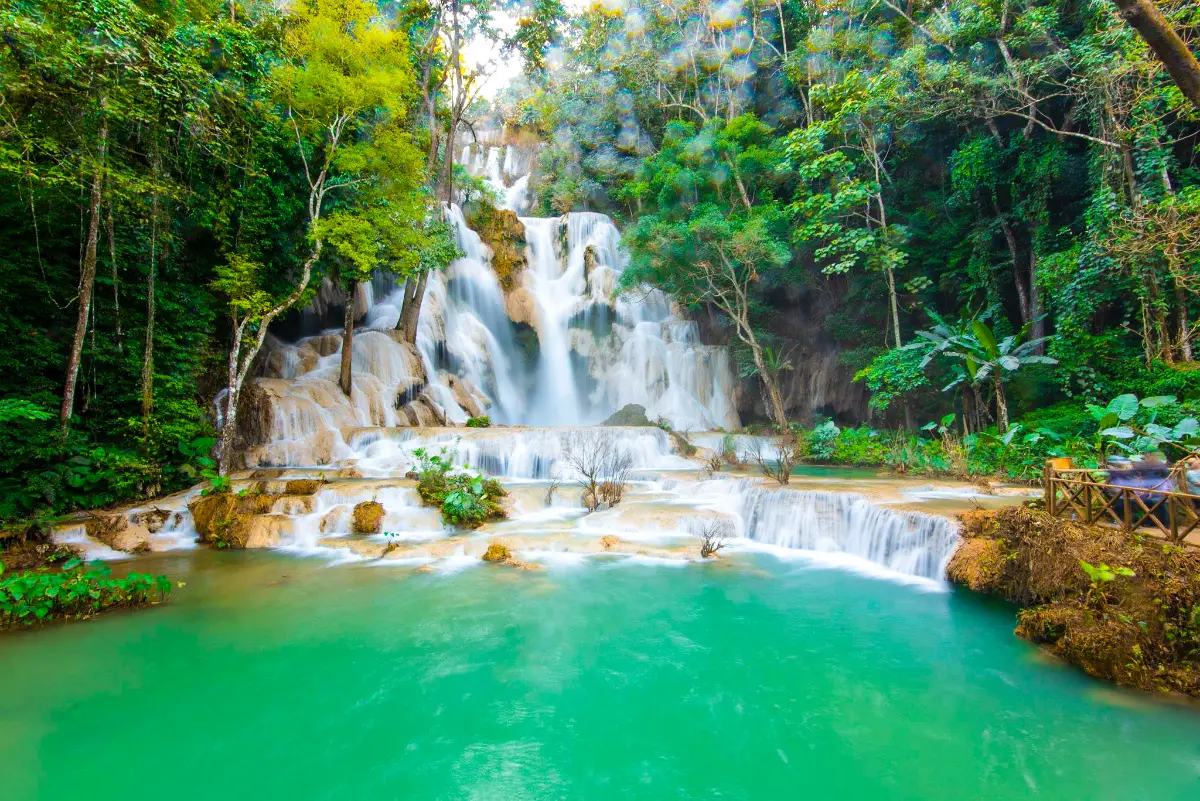
Kuang Si Waterfalls — turquoise pools in lush jungle
03 · Kuang Si Waterfalls

Turquoise Pools in the Jungle

A multi-tiered cascade of turquoise waters nestled in lush jungle surroundings, described by Lonely Planet as “one of Southeast Asia’s dreamiest waterfalls”. Take time to relax, swim in the cool, crystal-clear pools, or simply enjoy the serene natural beauty. Before leaving, visit the nearby Sun Bear Reserve, a sanctuary dedicated to rescuing and protecting these endangered animals.

Multi-tiered turquoise cascades
Swimming in crystal-clear pools
Sun Bear Reserve
~30 km from town
Alms-giving ceremony — the sacred morning ritual in Luang Prabang
04 · Alms-Giving Ceremony

The Sacred Morning Ritual

The daily almsgiving ceremony (Tak Bat) is a centuries-old Buddhist ritual where monks collect alms from locals and visitors. This practice, typically beginning around 5:30 am, involves people lining the streets with baskets of food, which they offer to the monks in exchange for blessings and good wishes. It is a profound and moving experience that connects visitors to the spiritual heart of Laos.

Begins around 5:30 AM
Centuries-old Buddhist ritual
Offer food to monks
Dress respectfully
Royal Palace Museum — former residence of the Lao royal family
05 · Royal Palace Museum

A Glimpse into Lao Royalty

Step into the grandeur of the former Royal Palace, a stately structure that once served as the residence of the Lao royal family until 1946. Now functioning as the National Museum, its halls are filled with rare religious artifacts, royal regalia, and cultural treasures that offer a glimpse into the rich legacy of the Lang Xang Kingdom. Admire a mix of traditional Lao motifs and French Beaux-Arts architecture.

Former royal residence
National Museum collections
Phra Bang Buddha image
Strict dress code
Mekong sunset cruise — the classic Luang Prabang experience
06 · Mekong Sunset Cruise

Sunsets on the River

A classic tour available in almost every Mekong town, Luang Prabang is the perfect place to embark on a sunset cruise. Thanks to high competition, sunset cruises on the Mekong from Luang Prabang are available at any budget and much better quality than you’ll find elsewhere. Just wander along the riverfront and peruse your choices, or book ahead at your accommodation or one of the tour agencies in town.

Available at any budget
Golden hour on the Mekong
Book along the riverfront
Classic Luang Prabang experience
Luang Prabang night market — food, crafts, and local life
07 · Night Market

Food, Crafts & Local Life

Luang Prabang’s night market is more than just souvenirs. You’ll find an array of food options from vegetarian buffets, freshly grilled fish, steamed bao, and even Korean noodles, all for much cheaper than you’ll pay in a restaurant. A collection of souvenirs and local food, it’s a must-visit for any traveler.

Vegetarian buffets
Freshly grilled fish
Local crafts and textiles
Budget-friendly food
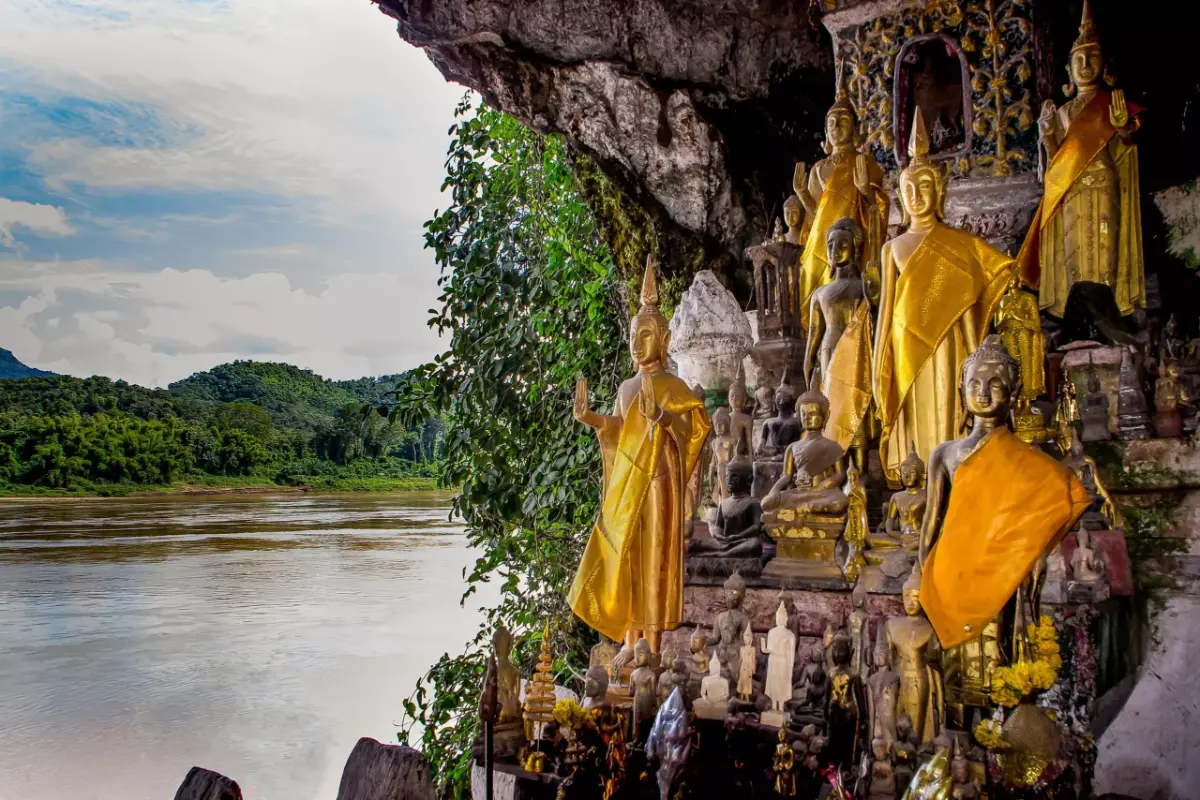
Pak Ou Caves — thousands of Buddha statues in riverside caves
08 · Pak Ou Caves

Buddha Caves on the Mekong

The Pak Ou Caves are two sacred caves at the confluence of the Mekong and Ou rivers, about 25 km upstream from Luang Prabang. They are filled with thousands of Buddha statues of various sizes and materials, left by pilgrims over centuries. The upper cave, Tham Phum, is the most impressive. A boat trip to the caves is a classic half-day excursion and can be combined with a visit to a traditional whisky village.

Thousands of Buddha statues
Two sacred caves
~25 km upstream by boat
Combine with whisky village
Visiting

Best time to visit Luang Prabang

The cool, dry season offers the most comfortable conditions for exploring temples and waterfalls. The rainy season brings lush greenery and fewer crowds.

November – January Cool & Dry · Best Overall

The best times to visit Luang Prabang are in January, November, and December, offering maximum daytime temperatures between 22-30°C and 8+ hours of sunshine. Crisp air, clear skies, and comfortable conditions for exploring temples and waterfalls.

February – April Hot & Hazy

Temperatures rise, and those with respiratory issues should avoid March to April, when the air turns hazy as farmers across the region burn their fields in preparation for rainy season. Lao New Year (Boun Pi Mai Lao) is celebrated annually April 13 to 16, during the hottest, driest time of year, with drinking and lively water splashing.

May – October Green Season · Rainy

The rainy season has challenges and rewards. It’s a good time for budget travelers wanting to take advantage of low-season hotel rates. The scenery can be spectacular, with blazing blue skies, pink and purple bougainvillea, and fragrant frangipani in riotous bloom. Anticipate one short, heavy downpour a day.

Practical

Practical information

Getting There

By air: Flights from Bangkok (1h45) from $60–120 one-way via Lao Airlines or Air Asia. Slow boat: Huay Xai to Luang Prabang, 2 days, $25–30 including basic accommodation in Pak Beng. Train: Vientiane to Luang Prabang via Lao-China Railway, ~3.5 hours, $10–15 in second class. Bus: From Vang Vieng (5h) or Vientiane (8h), $8–15 depending on VIP or local bus.

Getting Around

Tuk-tuks and songthaews are still a mainstay, though they are facing tough competition with recently introduced ride-hailing apps Loca and InDrive. Travelers are also increasingly opting to rent motorbikes or electric bicycles via the LAOS-Ebike app. Unless it is scorching hot, the best way to get around the peninsula is on foot or by bicycle.

What to Pack

Comfortable shoes for walking, swimwear for the waterfalls, sunscreen and insect repellent, a camera for capturing scenic views, and modest clothing for temple visits (shoulders and knees covered).

Accommodation

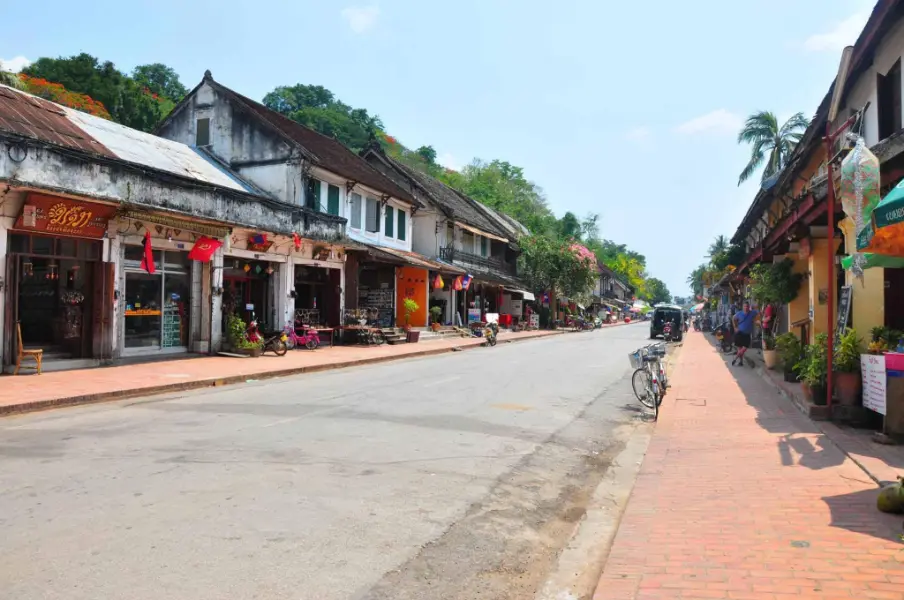
The historic Old Town is where most first-time visitors base themselves. It’s the prettiest part of the city, and many of the hotels are beautiful Lao teak houses or French colonial residences. For a peaceful stay and scenic river views, the Mekong Riverfront area is a quiet residential neighborhood. Nam Khan Riverside has a backpacker vibe and is popular with budget travelers.

Good to know

  • Five days would allow for the major attractions, plus time to slow down
  • Admission fees: Wat Xieng Thong (30,000 LAK), Royal Palace (60,000 LAK), Mount Phousi (30,000 LAK) require cash payment on site
  • The Royal Palace dress code is strict and all visitors are asked to dress conservatively, with no exceptions
  • The morning alms-giving ceremony begins around 5:30 AM
  • Lao New Year (Boun Pi Mai Lao) is celebrated April 13-16 with water splashing and religious ceremonies
Traveler Profile

Who will enjoy Luang Prabang?

Cultural Travelers

With over 30 temples, a royal palace museum, and the daily alms-giving ceremony, Luang Prabang is one of Southeast Asia’s most spiritually significant destinations.

Food Lovers

Luang Prabang cuisine is “a dance between wild, rare ingredients gathered from the Mekong River and surrounding jungles, and the refined cooking traditions that have been passed down from the Kingdom era.” From street food to fine dining, the city is an excellent food destination.

Slow Travelers

The long-running joke that Laos P.D.R. actually stands for “Please Don’t Rush” still rings true. Luang Prabang beseeches travelers to slow down and take it in.

Frequently Asked

Questions About Luang Prabang

How do I get to Luang Prabang?

By air from Bangkok, Chiang Mai, Hanoi, Siem Reap, or Vientiane. By slow boat from Huay Xai on the Thai border (2 days). By high-speed train from Vientiane (about 3.5 hours). By bus from Vang Vieng (5 hours) or Vientiane (8-9 hours).

What is the best time to visit Luang Prabang?

The best times to visit Luang Prabang are November, December, and January, offering cool, dry weather with maximum daytime temperatures between 22-30°C and 8+ hours of sunshine.

How many days should I spend in Luang Prabang?

Five days is ideal for the major attractions, day trips to Kuang Si Waterfalls and Pak Ou Caves, and time to slow down and enjoy the town’s atmosphere. Two days is the minimum for the highlights.

What are the must-see attractions in Luang Prabang?

Wat Xieng Thong (the most revered temple), Mount Phousi (328 steps for panoramic views), the Royal Palace Museum, Kuang Si Waterfalls, the morning alms-giving ceremony, and the night market.

What is the alms-giving ceremony?

The daily alms-giving ceremony (Tak Bat) is a centuries-old Buddhist ritual where monks collect alms from locals and visitors. It typically begins around 5:30 AM, with people lining the streets with baskets of food to offer to the monks in exchange for blessings.

What food should I try in Luang Prabang?

Must-try dishes include khao jee pate (baguette sandwiches with pate and herbs), laap (minced meat salad), or lam (ox meat stew with spicy chilli wood vine), and the local papaya salad with padaek (fermented fish sauce). Also try the French pastries and croissants at local bakeries.

Local Knowledge

Tips for visiting Luang Prabang

  • Five days would allow for the major attractions, plus time to slow down
  • Admission fees: Wat Xieng Thong (30,000 LAK), Royal Palace (60,000 LAK), Mount Phousi (30,000 LAK) require cash payment on site
  • The Royal Palace dress code is strict and all visitors are asked to dress conservatively, with no exceptions
  • The morning alms-giving ceremony begins around 5:30 AM
  • Lao New Year (Boun Pi Mai Lao) is celebrated April 13-16 with water splashing and religious ceremonies
  • Those with respiratory issues should avoid March to April, when the air turns hazy due to field burning

Plan your visit

For Travelers

Experience Luang Prabang.

Whether you are a cultural traveler seeking temples and traditions, a food lover wanting to explore Lao cuisine, or a slow traveler ready to sa-sa (slow down) — Luang Prabang offers both meaning and magic.

Start Planning →
For Travel Professionals

Laos northern expertise, on the ground.

If you are building Laos programs that include Luang Prabang or Northern Laos, we can support you with local DMC services, vetted partners, and confidential trade rates.

Visit the Trade Page →
Luang Prabang

Laos’s UNESCO crown jewel.

From the golden spires of Wat Xieng Thong to the turquoise pools of Kuang Si and the quiet ritual of morning alms — Luang Prabang is a place where spirituality, history, and natural beauty meet.