
A small country with a singular depth — one of the world’s great temple civilisations, and one of Asia’s most welcoming cultures.
Cambodia is often described as a country of one great monument — Angkor — and that’s not entirely fair. Beyond the temples, there is Phnom Penh, a capital city working through a complex modern history with remarkable grace. There is the Mekong River and the vast Tonle Sap lake. There is the quiet colonial charm of Kampot and Kep, and the untouched islands of Koh Rong and Koh Rong Sanloem in the Gulf of Thailand.
Cambodia has two seasons — dry (November to April) and green (May to October). The dry season is the more comfortable time to travel, though the green season brings dramatic skies and lush rice paddies. The country is compact enough that a short trip can see a great deal.
Eight places that define Cambodia.
Cambodia divides naturally into three sub-regions — the temples, the rivers, and the coast. These are the eight destinations we plan most often.
The places we know best.
Cambodia divides naturally into three sub-regions. Each has its own character, and each can be travelled on its own or as part of a longer Cambodian journey.
Temples & Heritage
Angkor · Ancient CitiesCambodia’s temple heartland — Siem Reap, Angkor Wat, Angkor Thom, Ta Prohm and the surrounding ancient cities. This is what most travelers come for, and it does not disappoint.
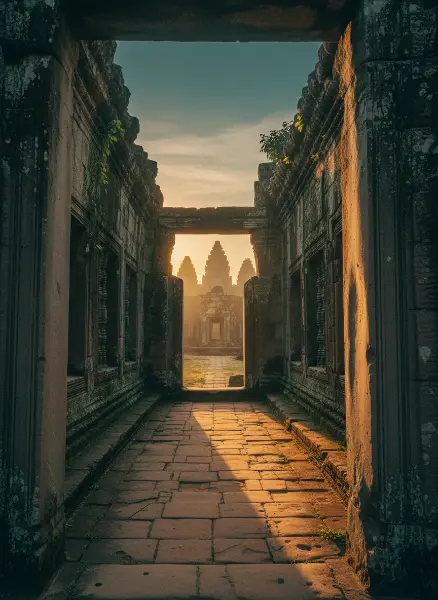
Siem Reap
Cambodia’s most-visited town, and the gateway to the Angkor Archaeological Park. Siem Reap has grown from a sleepy colonial trading town into a lively base for temple exploration — with excellent hotels, restaurants and a walkable centre.
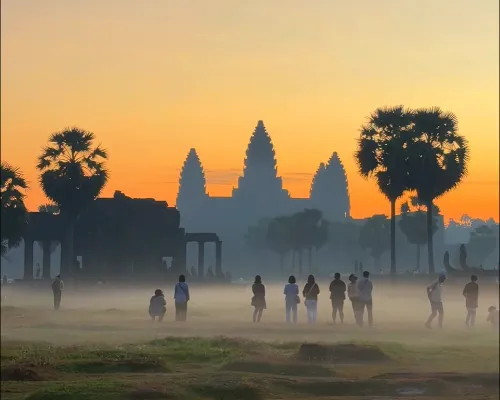
Angkor Wat & the Angkor Temples
The largest religious monument in the world, and the heart of the Khmer Empire’s ancient capital. Angkor Wat is only one of dozens of temples in the archaeological park — including Bayon’s serene faces and Ta Prohm’s jungle-wrapped ruins.
Rivers & the Capital
Phnom Penh · Mekong · Tonle SapCambodia’s modern and riverside heart — Phnom Penh, the Mekong, the Tonle Sap, and the rice-farming countryside of Battambang.
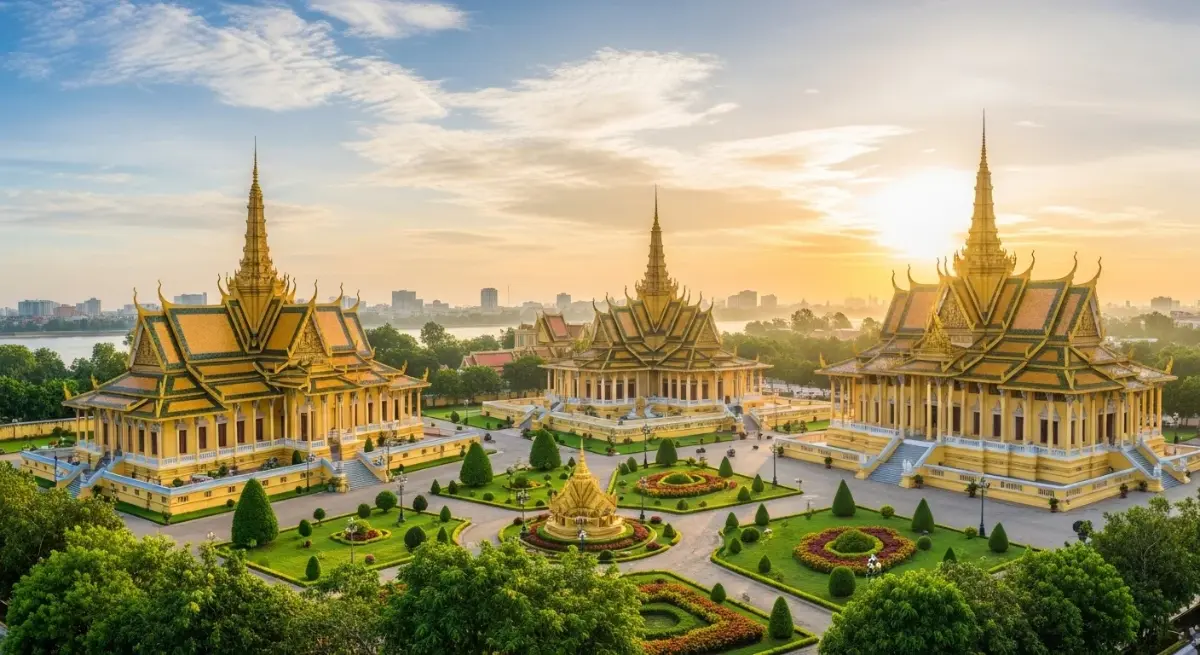
Phnom Penh
Cambodia’s capital — a city of wide boulevards, colonial architecture and deep modern history. Phnom Penh’s Royal Palace, Silver Pagoda and riverside promenade sit alongside sobering sites like the Tuol Sleng Genocide Museum and the Killing Fields.
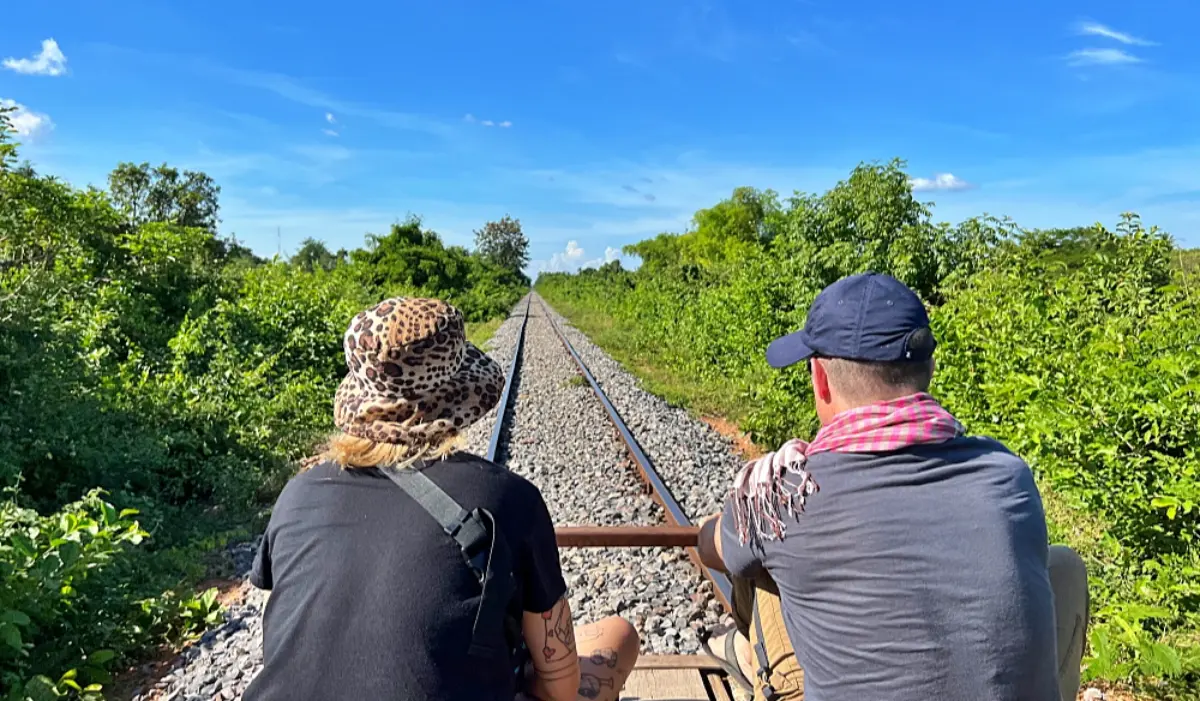
Battambang
Cambodia’s second-largest city and the heart of the country’s rice-farming region — a quiet, welcoming place known for colonial architecture, traditional Khmer villages and the famous Bamboo Train.
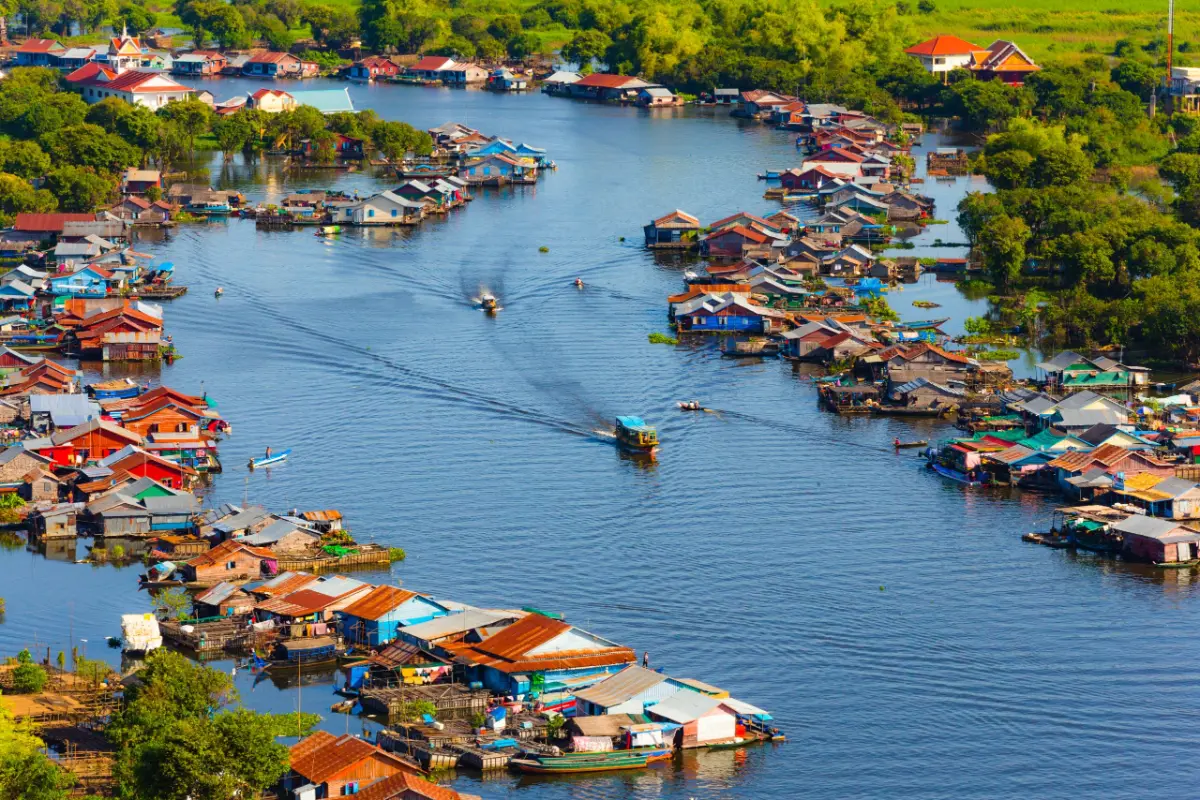
Tonle Sap
Southeast Asia’s largest freshwater lake — a vast, seasonally-shifting body of water that supports some of Cambodia’s most distinctive communities. Tonle Sap is usually visited from Siem Reap or between Siem Reap and Phnom Penh.
Coast & Islands
Kampot · Kep · Koh RongCambodia’s southern coast — the riverside charm of Kampot, the faded seaside elegance of Kep, and the untouched islands of Koh Rong and Koh Rong Sanloem in the Gulf of Thailand.

Kampot
A quiet riverside town in southern Cambodia, known for its colonial shophouses, pepper farms and relaxed atmosphere. Kampot is the base for exploring Bokor Mountain and the surrounding countryside — and one of Cambodia’s most charming small towns.
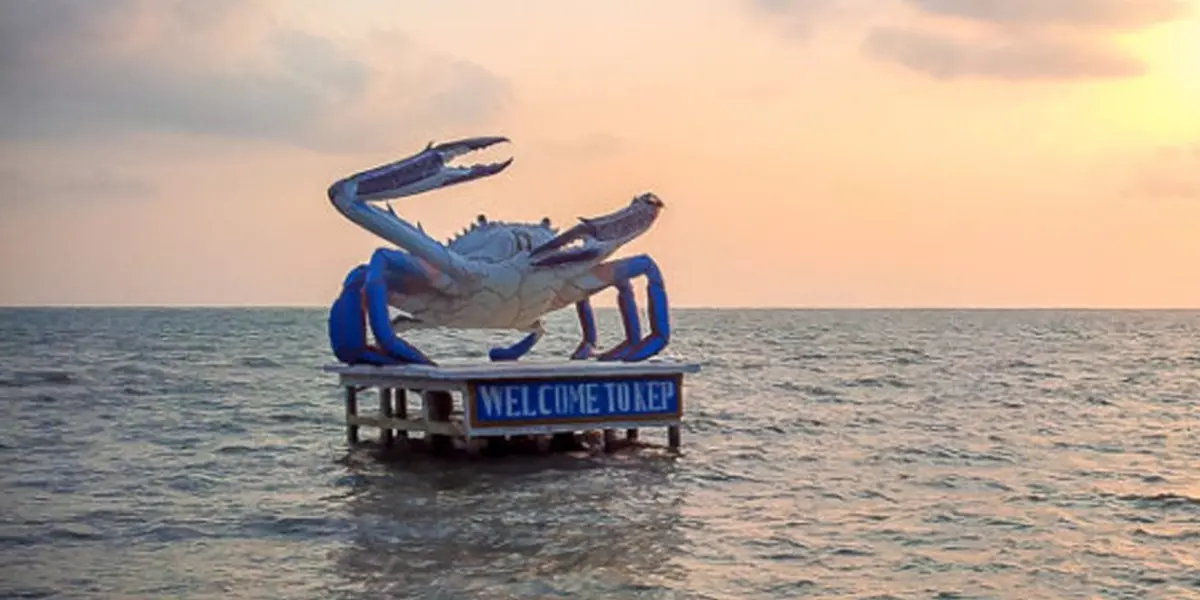
Kep
A former French colonial seaside resort, now a quiet coastal town known for its crab market, empty beaches and faded villas. Kep is a peaceful stop for travelers who want the Cambodian coast at its most unhurried.
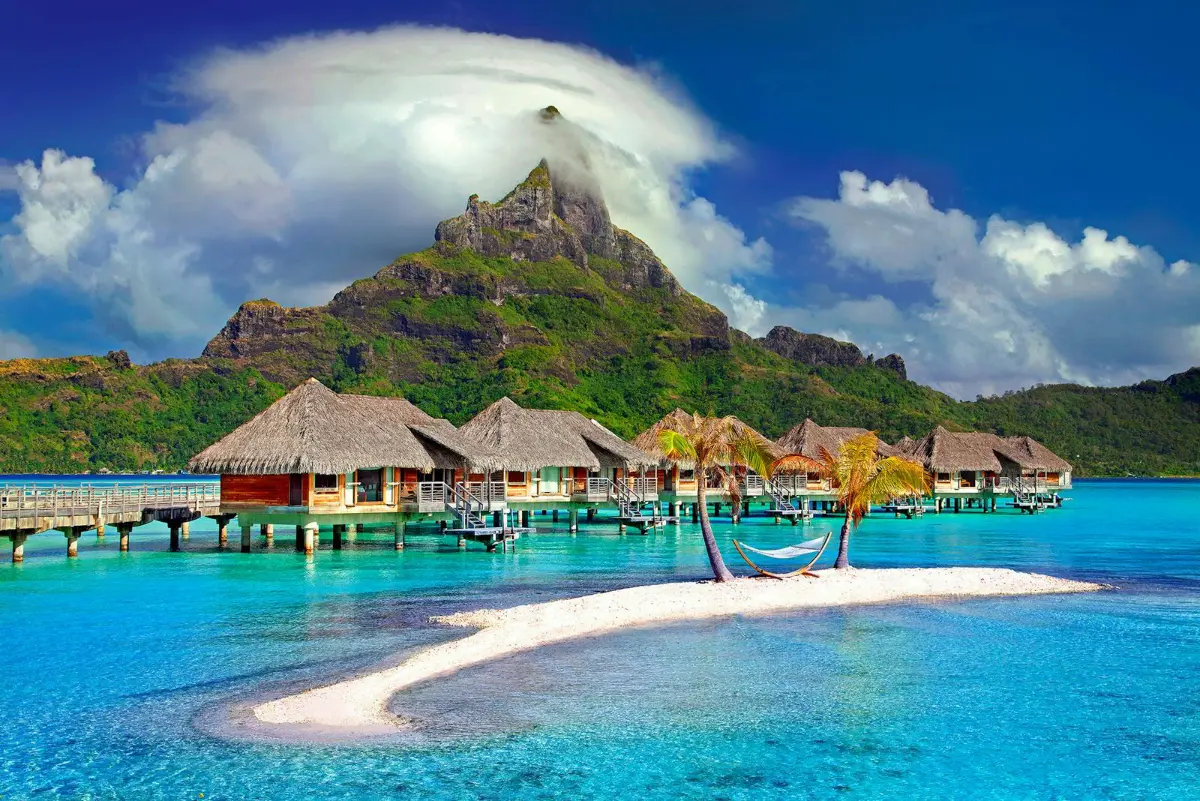
Koh Rong & Koh Rong Sanloem
Cambodia’s island escapes in the Gulf of Thailand — white-sand beaches, warm turquoise water and a level of development far below Thailand’s islands. Koh Rong is the larger; Koh Rong Sanloem is quieter and better suited to honeymooners and slow travelers.
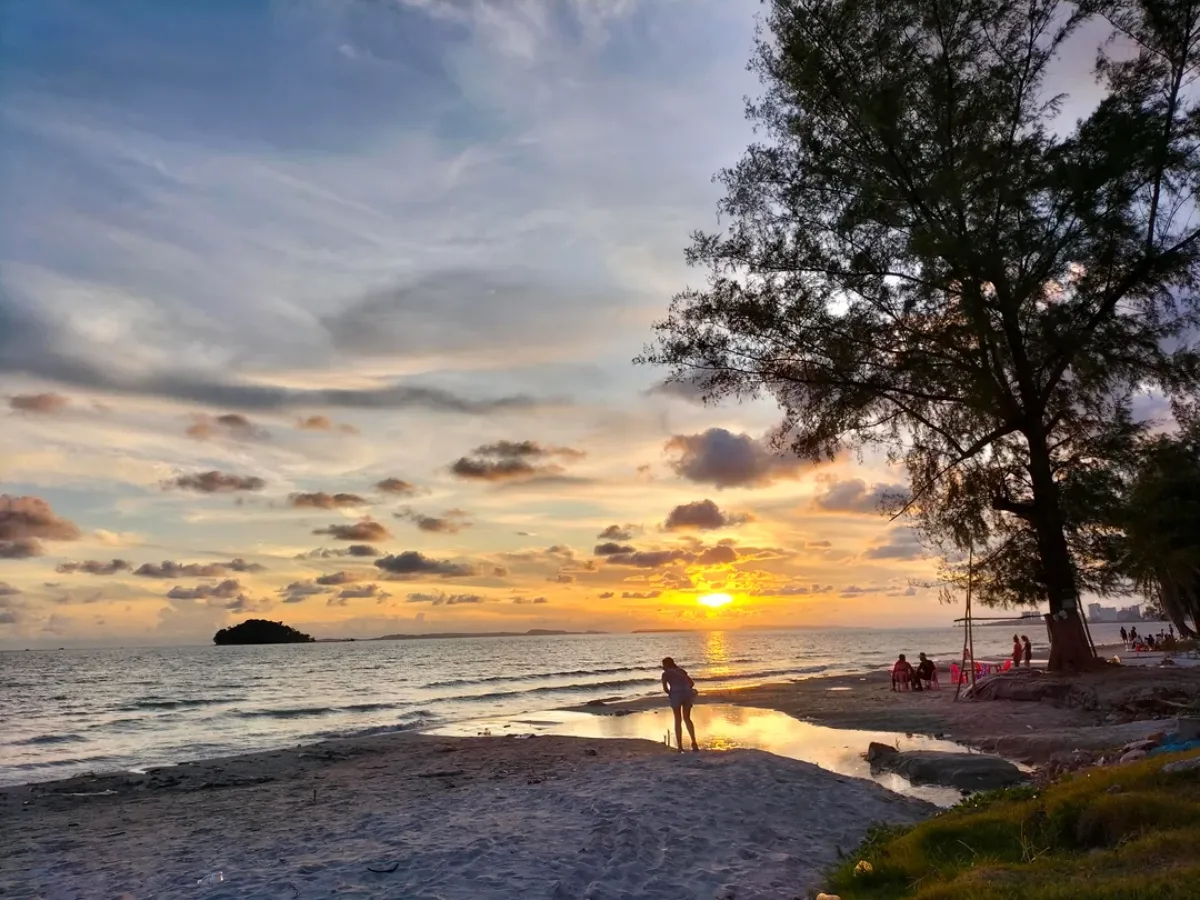
Sihanoukville
Cambodia’s main coastal city and the ferry gateway to the islands. Sihanoukville has changed dramatically in recent years, and is best treated as a stopover on the way to Koh Rong or Koh Rong Sanloem rather than a destination in itself.
Seasons in Cambodia.
Cambodia has two seasons — dry and green. Both work for travel, but the dry season is the more comfortable window for temple exploration and long journeys.
Widely considered the best time to visit. Comfortable temperatures, clear skies, and the temples at their most accessible. Peak season — book well in advance.
The hottest months, with temperatures often over 35°C. Still good for travel, but plan temple visits for early mornings and afternoons. Khmer New Year in mid-April — busy and festive.
The rains arrive, but usually as afternoon showers rather than all-day rain. Rice paddies turn vivid green. Fewer crowds, lower prices. The temples are quieter.
The heaviest rain tends to fall September–October. Travel is possible but plan flexibility. Tonle Sap lake reaches its annual peak, and the floating villages are at their most impressive.
How travelers move through Cambodia.
These are the routes we plan most often — each one a starting point for a private itinerary designed around your dates and pace.
Angkor Essentials
Siem Reap → Angkor Wat → Angkor Thom → Ta Prohm → Siem Reap
A focused temple journey — the classic Angkor temples over two or three days, with time for sunrise, sunset and the smaller temples.
3–4 Days 02Cambodia Classic
Phnom Penh → Siem Reap → Angkor → Siem Reap
Cambodia’s two signature cities — Phnom Penh’s Royal Palace and modern history, then Siem Reap and the Angkor temples.
5–7 Days 03Angkor & the Lake
Siem Reap → Angkor → Tonle Sap → Siem Reap
The temples combined with a day on Tonle Sap — floating villages, stilted houses and the vast lake ecosystem that supports them.
4–5 Days 04Cambodia In Depth
Phnom Penh → Battambang → Siem Reap → Angkor → Tonle Sap
A slower journey through Cambodia’s heartland — the capital, the rice country around Battambang, and the temples at Angkor.
8–10 Days 05Temples & Islands
Siem Reap → Angkor → Phnom Penh → Kampot → Kep → Koh Rong
The full Cambodian experience — temples, capital, riverside towns and the Gulf of Thailand’s untouched islands.
10–14 Days 06Vietnam & Cambodia
Saigon → Mekong Delta → Phnom Penh → Siem Reap → Angkor
The classic Indochina combination — southern Vietnam and the Mekong Delta, then Cambodia’s capital and the temples at Angkor.
10–12 DaysCambodia suits every pace.
Temples & Heritage
Angkor Wat, Angkor Thom, Ta Prohm and the surrounding temples — the essential Cambodian journey.
02Rivers & Capitals
Phnom Penh, the Mekong, Tonle Sap and Battambang — Cambodia’s modern and riverside heart.
03Coast & Islands
Kampot, Kep and the Koh Rong islands — for travelers who want the Gulf of Thailand at its quietest.
Questions About Cambodia
How long do I need in Cambodia?
As a guide: 3 days is enough for Siem Reap and the main Angkor temples. 5 days adds Phnom Penh. 7–10 days allows a fuller journey including Tonle Sap and Battambang. 10–14 days adds Kampot, Kep and the Koh Rong islands.
Do I need a visa for Cambodia?
Most nationalities can obtain an e-visa online before travel, or a visa-on-arrival at Phnom Penh and Siem Reap airports and some land borders. Your specialist will advise on the current requirements for your nationality before your journey.
Is Cambodia safe for travelers?
Yes. Cambodia is generally very safe for international travelers. Petty theft can occur in tourist areas — as with any destination, keep valuables secure and be aware of your surroundings. Road safety is a more significant concern, which is one reason we use private, professional drivers throughout our journeys.
How do I visit Angkor Wat?
Angkor Wat is part of the Angkor Archaeological Park, which requires an entry pass. The park is 6 km from Siem Reap town. A guided private tour is by far the best way to experience the temples — the site is vast, and a guide adds context you simply can’t get from a book. Sunrise at Angkor Wat is a highlight, but there are many quieter temples that most visitors miss.
When is the best time to visit Angkor?
The dry season (November to April) is the best window — particularly November to February, when temperatures are comfortable and skies are clear. March and April are hotter. The green season (May to October) brings lush vegetation and fewer crowds, but the temples can be humid and some areas can flood.
Can I visit the floating villages on Tonle Sap?
Yes — Tonle Sap’s floating villages are usually visited as a day trip from Siem Reap. The most impressive are Kompong Khleang and Kompong Phluk, which offer stilted houses and floating schools and markets. The lake’s water level changes dramatically between dry and green seasons, which shapes what you’ll see.
Is Koh Rong worth visiting?
Yes — if you want beach time in a less-developed setting than Thailand’s islands. Koh Rong and Koh Rong Sanloem have white-sand beaches, warm water, coral reefs and bioluminescent plankton at night. Development is limited, so expect rustic charm rather than luxury. Koh Rong Sanloem is quieter and better suited to honeymooners.
Can I combine Cambodia with Vietnam or Laos?
Yes. Cambodia connects easily with both. Phnom Penh is a 6-hour drive or 1-hour flight from Saigon, and there’s a popular river crossing by boat via Chau Doc in the Mekong Delta. Siem Reap has direct flights to Saigon, Hanoi, Luang Prabang, Vientiane and Bangkok. Combined Indochina journeys typically run 10–14 days for two countries, 14–21 days for three. See our Vietnam and Laos destination pages.
What is Khmer cuisine like?
Khmer cuisine is one of Southeast Asia’s most underrated. It’s lighter and less spicy than Thai food, with dishes like fish amok (a coconut curry steamed in banana leaf), lok lak (stir-fried beef), kuy teav (noodle soup), and Kampot pepper crab. Cambodian food is best experienced at local restaurants and markets rather than hotel restaurants.
Is Cambodia suitable for families?
Yes. Siem Reap is a very family-friendly destination, and the temples appeal to children of all ages. We adjust pace and activities based on your family’s ages. The Cambodian coast and islands also work well for families, with quieter beaches than Thailand’s.
Plan a private Cambodia journey.
Whether you want a temple-focused short break or a fuller journey through Cambodia’s cities, rivers and islands, our specialists will design a private itinerary around your dates and pace.
Start Planning →Local ground expertise in Cambodia.
If you’re building Cambodia programs for your clients, we can support you with local DMC services, temple guides, hotel partners, island operators and confidential trade rates.
Visit the Trade Page →Cambodia, built around you.
From the temples of Angkor to the rivers of Phnom Penh, the colonial charm of Kampot and Kep, and the islands of the Gulf of Thailand — our specialists will help you shape a private journey across Cambodia.