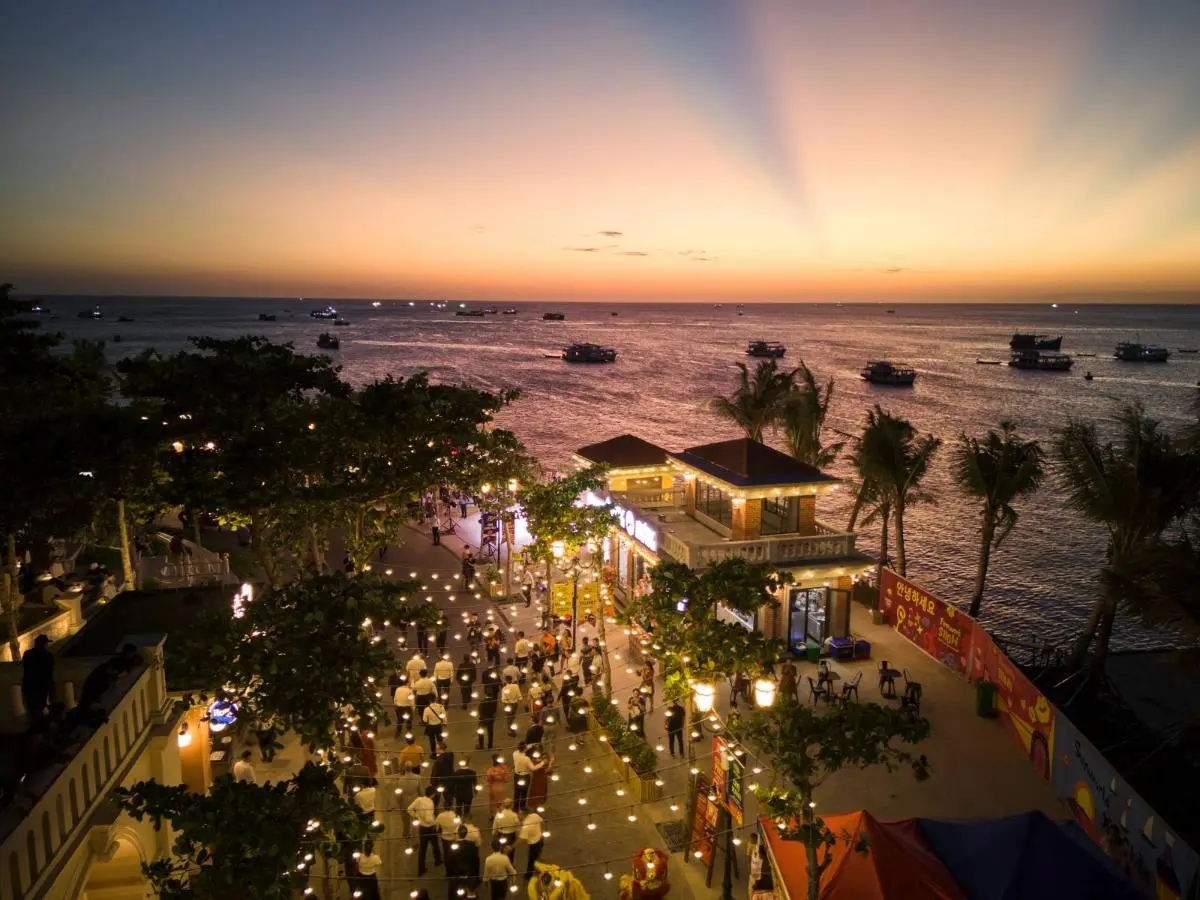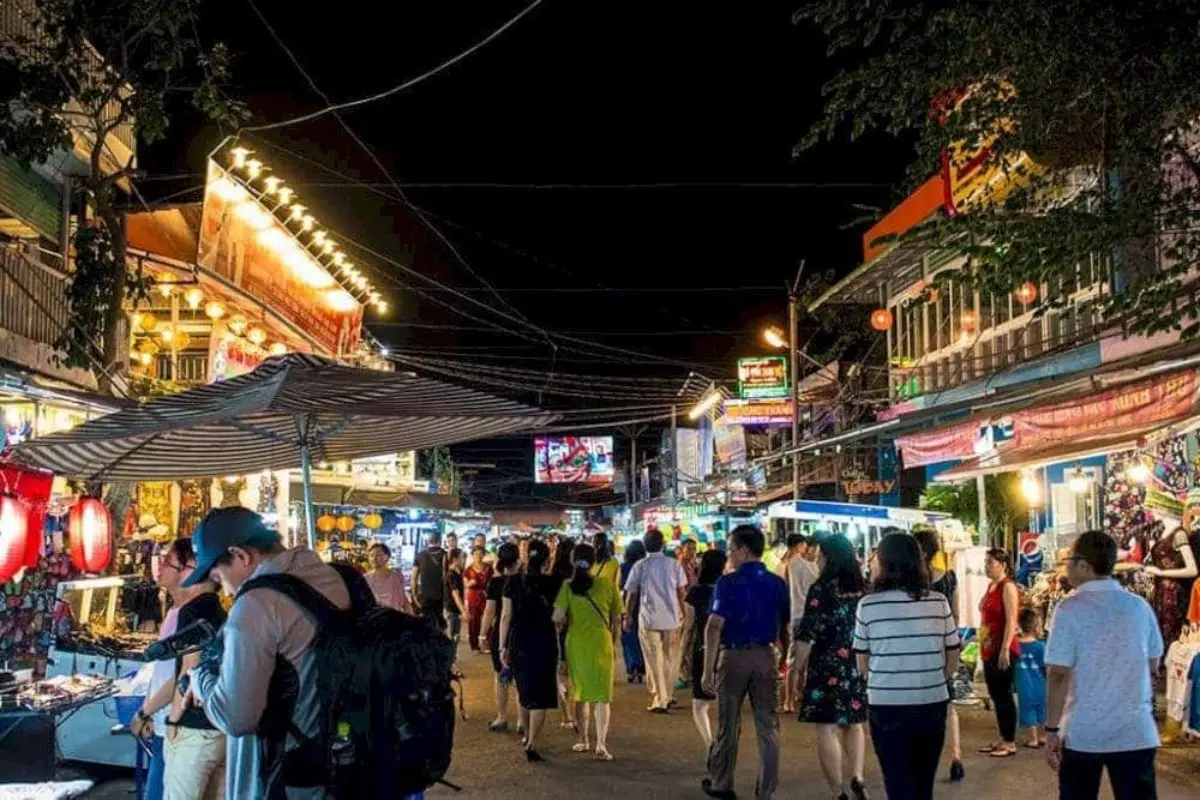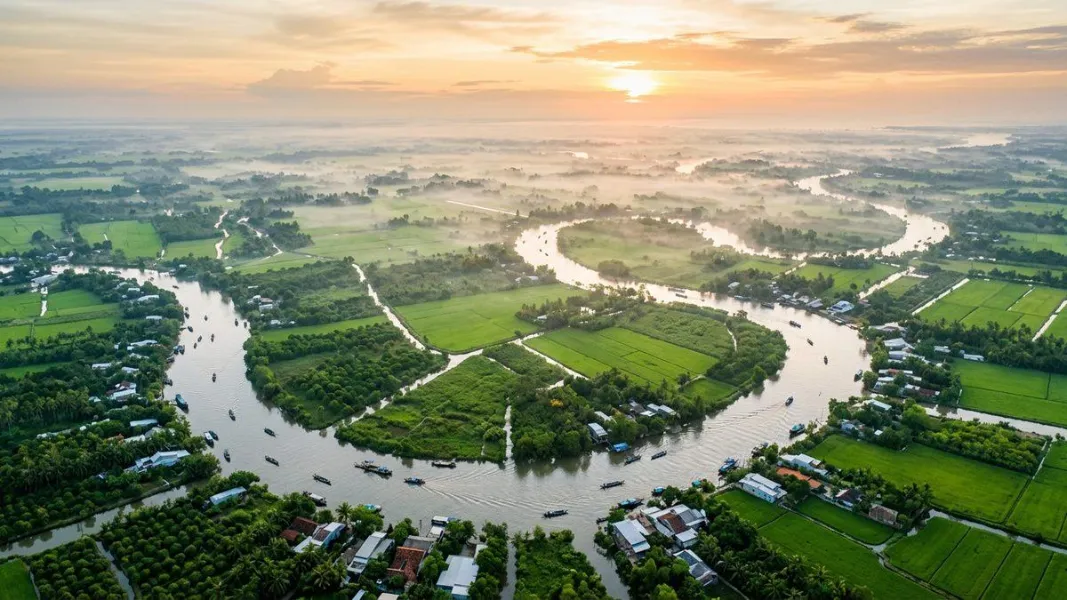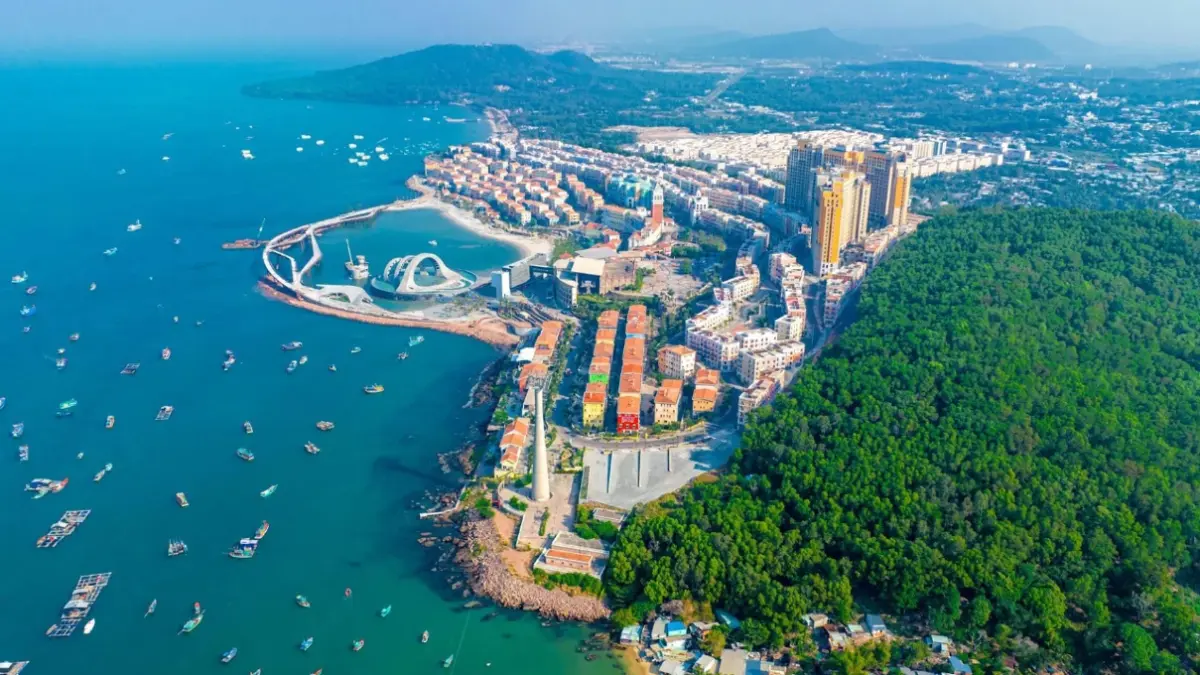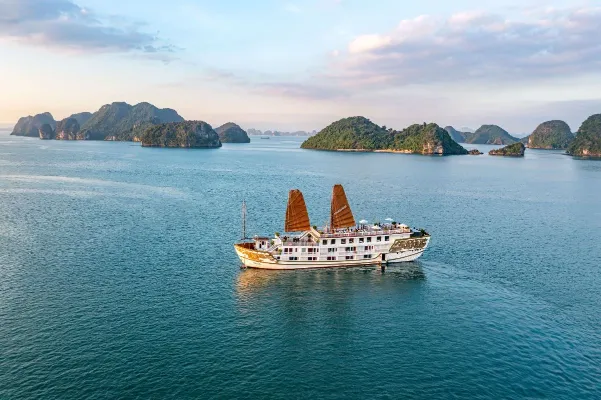

Phu Quoc sits in the Gulf of Thailand, closer to Cambodia than to mainland Vietnam. It is the country’s largest island, roughly the size of Singapore, with a population of around 180,000. Most of the island is protected national park; the rest is a mix of beaches, fishing villages, pepper farms, resorts and — increasingly — a modern tourism economy.
The island has changed dramatically over the past decade. What was once a quiet backwater of fish sauce producers and pearl farmers is now one of Vietnam’s most visited destinations, with direct international flights, world-class hotels and a growing reputation as a honeymoon, wellness and — from 2027 — events destination.
This guide covers what to see, where to stay, when to visit and how to get around.
- Location
- Gulf of Thailand
- Area
- ~574 km²
- Best Time
- Nov – Apr
- Visa
- 30-day exemption
Why Visit Phu Quoc
Phu Quoc attracts a wider range of travelers than most Vietnamese beach destinations. The island offers something for honeymooners, families, wellness travelers, food lovers and — increasingly — conference and event guests.
Beaches. Long stretches of sand on the west and southwest coasts, calm water for most of the year, and enough variety to suit different moods — from busy Sunset Beach to quiet Ong Lang.
Luxury resorts. Phu Quoc has the highest concentration of international-branded hotels in Vietnam, including Regent, JW Marriott, New World, Premier Village, Fusion and others.
National park. More than half the island is protected forest, with trails, waterfalls and wildlife. It gives Phu Quoc a natural character that many beach destinations lack.
Food. Phu Quoc is famous for fish sauce, pepper, seafood and — increasingly — a sophisticated restaurant scene that combines Vietnamese, Khmer and international influences.
Access. The island has its own international airport with direct flights from major Asian cities, and a 30-day visa exemption for visitors arriving directly on Phu Quoc.
Regions of the Island
Phu Quoc is roughly 50 kilometres long and 25 kilometres wide. It divides into four main areas, each with a distinct character.
North
Quiet and rural. Includes Ganh Dau, Cua Can, the northern beaches and the border with Cambodia. Best for travelers who want seclusion and nature.
Central West (Duong Dong & Long Beach)
The island’s main town and the longest beach. Best for convenience, restaurants and night markets. Access to the airport is quick.
Ong Lang & Northwest Coast
A growing resort area with a relaxed feel. Better sunset views and quieter beaches than Duong Dong, but still accessible.
South (An Thoi & Sunset Town)
New development focused on luxury resorts, the cable car to Hon Thom, Sunset Town and the new APEC Convention Centre. Best for upscale stays and modern facilities.
Best Beaches
Phu Quoc has more than 20 beaches. These are the ones most travelers will want to know about.
Bai Truong (Long Beach)
The longest beach on the island, running along the central west coast near Duong Dong. It has the most development, the most restaurants and the easiest access. Good for sunsets and casual dining.
Bai Sao (Star Beach)
A crescent of white sand on the south coast, often listed among Vietnam’s most beautiful beaches. Reached by a short road from An Thoi. Popular but still retains a natural feel.
Bai Dai (Long Beach, Northwest)
A long stretch of sand in the northwest, with several resorts and a quieter atmosphere than the central beaches.
Bai Ong Lang
A series of small coves north of Duong Dong, popular with travelers staying in the boutique resorts of the Ong Lang area. Good for swimming and sunsets.
Bai Khem
A southern beach near An Thoi, quieter than Bai Sao, with clear water and a small local restaurant scene.